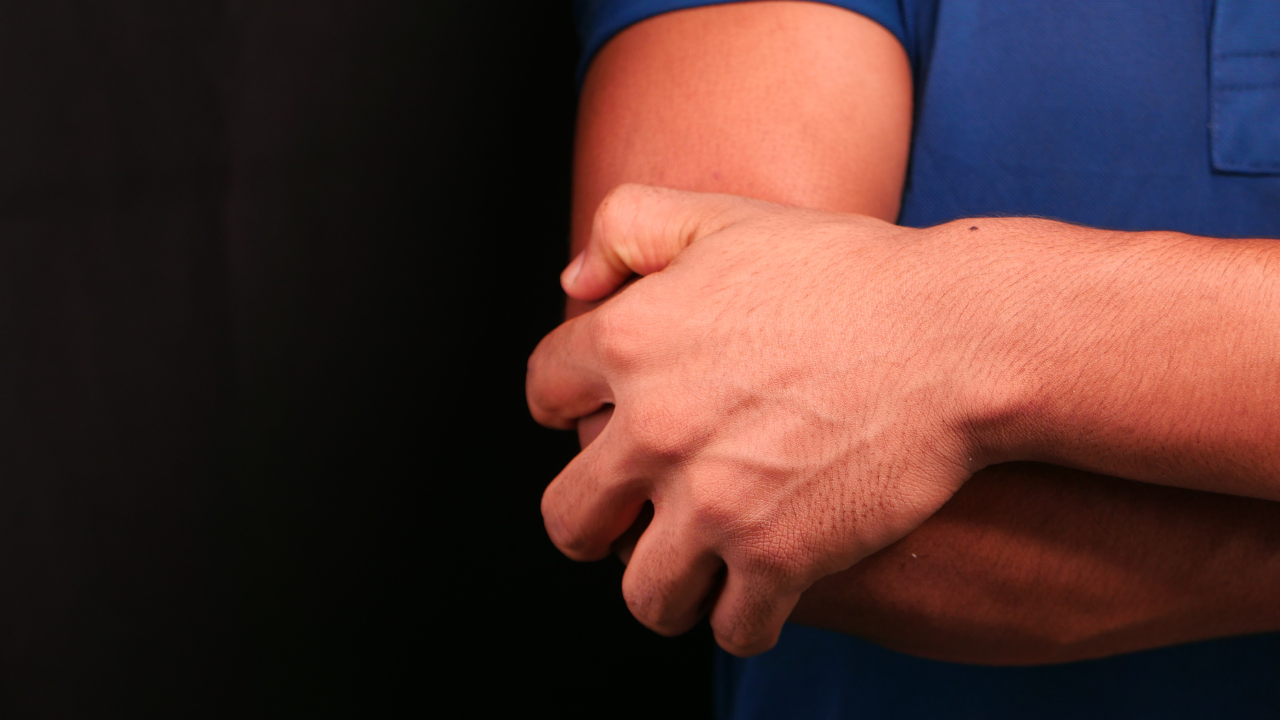


How Long Does Elbow Pain Therapy Take to Provide Relief?
If you’re reading this, chances are you’ve experienced some form of elbow pain — maybe from an old injury, repetitive use, or just the wear and tear of everyday life. Elbow pain can be frustrating and often disrupts your daily routine, whether it’s typing at work, playing your favorite sport, or even simple tasks like lifting a cup of coffee. So, a big question naturally comes up: How long will it take for therapy to actually help?
Let’s unpack this together.
Understanding Elbow Pain and Its Causes
First, it’s important to recognize that “elbow pain” isn’t just one condition but a range of possible issues affecting tendons, ligaments, nerves, or bones in the elbow region. Conditions like tennis elbow (lateral epicondylitis), golfer’s elbow (medial epicondylitis), bursitis, arthritis, or even nerve entrapments can all cause discomfort.
Each diagnosis comes with its own timeline and therapy approach. For instance, tennis elbow — a common overuse injury — typically responds well to physical therapy, but the recovery time depends heavily on the severity and how early treatment begins.
Why Therapy? The Role of Physical Therapy in Elbow Pain Relief
Before we jump into timelines, let’s talk about why physical therapy is such a key player. Unlike popping a pill for temporary pain relief, physical therapy addresses the root cause — strengthening muscles, improving joint mechanics, reducing inflammation, and restoring flexibility.
At Thrive Physical Therapy, therapists take a comprehensive, patient-centered approach. They don’t just focus on your elbow; they consider your posture, arm movements, and lifestyle factors that might be contributing to your pain.
This holistic approach tends to improve outcomes, but it also means therapy isn’t a quick fix — it’s a gradual process aimed at sustainable healing.
How Soon Can You Expect Relief?
This is the million-dollar question, right? The honest answer is: it depends. But let me walk you through what you might expect, based on typical experiences at Thrive Physical Therapy.
In many cases, patients start to feel noticeable improvements within the first two to four weeks of consistent therapy sessions. These early changes often come from reducing inflammation and learning how to avoid movements that exacerbate pain.
During these initial weeks, therapy might include gentle stretching, light strengthening exercises, manual therapy (hands-on techniques), and education about activity modification. It’s about calming the acute symptoms and beginning to rebuild.
However, for more chronic or severe cases — think of elbow pain persisting for months or even years — relief may take longer. Some patients notice steady progress over six to twelve weeks or more, depending on how much tissue healing is required and how committed they are to following the prescribed exercises at home.
It’s important to recognize that everyone’s body is different. Factors like age, overall health, the specific diagnosis, and your daily habits can all influence how quickly therapy works.
Why Does the Timeline Vary So Much?
You might wonder why there’s such a range in recovery times. The elbow is a complex joint, and the underlying cause of pain often determines the speed of healing.
For instance, a mild case of tendon inflammation might calm down quickly with rest and therapy, while a tendon with microscopic tears could require a longer healing phase. Similarly, if nerve irritation is part of the picture, therapy might focus on nerve gliding techniques and posture correction, which take time to show results.
Moreover, how soon therapy begins after the onset of pain plays a major role. Early intervention often leads to quicker and more complete recovery. When patients delay therapy or try to “push through” pain, they may worsen the injury, requiring a longer course of treatment.
The Importance of Consistency and Patient Participation
Another crucial factor in how long therapy takes is how actively you participate. Physical therapy isn’t something you do only during office visits. The exercises, stretches, and ergonomic changes you practice at home often dictate the overall success and speed of recovery.
Thrive Physical Therapy emphasizes patient education, ensuring you understand why each exercise matters and how to integrate new habits into your daily life. This partnership between therapist and patient helps speed up healing and reduce chances of recurring pain.
What Does a Typical Therapy Plan Look Like?
When you first walk into Thrive Physical Therapy for elbow pain, you’ll undergo a detailed assessment — not just of your elbow but of your entire upper extremity and posture. This helps identify contributing factors that might not be obvious, such as shoulder weakness or neck tightness.
Your customized plan might begin with gentle movements and pain-relieving modalities, progressing into strength and flexibility exercises. Therapists also guide you in modifying activities that strain your elbow, whether it’s adjusting your typing posture or changing your tennis swing.
Throughout the process, your progress is regularly evaluated, and the plan adjusted to keep you moving forward. This dynamic approach means therapy length can flex depending on how your body responds.

Beyond the Therapy Room: Lifestyle and Recovery
Remember, healing doesn’t happen just in the therapy sessions. How you manage your lifestyle impacts your elbow’s recovery too.
Simple things like ensuring ergonomic work setups, taking breaks during repetitive tasks, and avoiding aggravating activities help your therapy work better and faster. Sleep, nutrition, and stress management also play supporting roles in tissue healing and inflammation control.
Thrive Physical Therapy coaches patients on all these fronts, aiming to empower you with tools to manage your elbow health long term, reducing the likelihood of setbacks.
When Might You Need Additional Interventions?
Sometimes, physical therapy alone might not resolve elbow pain as quickly as hoped. This isn’t a failure but rather a sign that other interventions could be needed, such as injections or, in rare cases, surgery.
However, most patients benefit significantly from conservative care at Thrive Physical Therapy, especially when therapy starts early and is paired with lifestyle modifications.
The goal of therapy isn’t just quick pain relief but restoring full function and preventing future injury, which sometimes means a slightly longer but more meaningful healing journey.
Suggested Reading: Elbow Pain from Overuse: How Physical Therapy Can Help
Conclusion: Patience, Persistence, and Personalized Care Lead to Lasting Relief
So, how long does elbow pain therapy take to provide relief? The answer isn’t one-size-fits-all. Many patients notice improvements within weeks, but full recovery can take a few months, especially for more stubborn or chronic conditions.
What matters most is early, consistent therapy tailored to your unique situation — something Thrive Physical Therapy specializes in. Their expert therapists combine hands-on care, personalized exercise plans, and comprehensive lifestyle guidance to get you back to living pain-free.
If you’re struggling with elbow pain and wondering when relief will come, don’t wait to seek professional help. Early intervention not only speeds up recovery but also prevents long-term damage.
For those ready to take the next step, Thrive Physical Therapy offers a welcoming environment where your elbow health is the priority. Their approach is patient-focused, evidence-based, and designed to fit into your busy life seamlessly. Discover how expert care and compassionate guidance can transform your healing journey by visiting https://thriveptclinic.com/ today.
Learn MoreElbow Pain Therapy: How Physical Therapy Helps with Tennis and Golfer’s Elbow
If you’ve ever experienced a sharp or persistent ache on the outside or inside of your elbow, chances are you might be grappling with either tennis elbow or golfer’s elbow. Despite their sporty names, these conditions can affect anyone — not just athletes. Elbow pain can sneak into your daily life through repetitive motions, overuse, or even poor posture at work.
Tennis elbow, known medically as lateral epicondylitis, affects the outer part of your elbow. It usually crops up from repetitive gripping or wrist extension, those movements you’d often see in a tennis swing but also common in many manual tasks. Golfer’s elbow, or medial epicondylitis, strikes the inner elbow and typically results from repetitive wrist flexion or gripping activities.
While these conditions share similarities, understanding the differences and how physical therapy targets each one is key to finding real relief.
The Real Deal Behind the Pain
Elbow tendons can become inflamed, irritated, or even slightly torn due to repetitive stress — that’s the root cause of these painful conditions. Over time, this damage accumulates faster than your body can repair it, leading to persistent discomfort, weakness, and difficulty in performing everyday tasks like lifting a cup or opening a door.
Most people think rest alone will heal this, but that’s only part of the story. While resting the elbow is necessary initially, complete inactivity can sometimes make the problem worse. Your tendons and muscles need guided, specific movements to heal properly and regain their strength and flexibility.
That’s where physical therapy shines.
Why Physical Therapy is a Game Changer for Tennis and Golfer’s Elbow
Physical therapy isn’t just about exercises; it’s a whole approach tailored to your body’s needs. A skilled physical therapist evaluates your specific symptoms, your daily habits, and even your work or sports technique to craft a treatment plan that doesn’t just mask the pain but targets its root causes.
At Thrive Physical Therapy, for instance, the approach goes beyond the elbow. They look at the entire arm, shoulder, and even posture, recognizing that imbalances elsewhere can stress your elbow in unexpected ways. This holistic viewpoint helps you heal smarter and prevent future flare-ups.
What Does Physical Therapy Involve for Elbow Pain?
The journey usually starts with a thorough assessment. The therapist will check your range of motion, strength, and pinpoint exactly where the pain is coming from. You might be surprised to learn that sometimes your wrist or shoulder muscles contribute to your elbow pain.
Treatment then involves a combination of hands-on techniques and targeted exercises. Manual therapy—where the therapist uses their hands to mobilize joints and soft tissues—can reduce stiffness and promote blood flow to the injured area. This enhances healing and eases pain.
Alongside manual therapy, specific exercises designed to strengthen the forearm muscles and tendons are crucial. These exercises might begin gently and gradually become more challenging as your strength returns. They help recondition the muscles so that they can handle everyday stresses without triggering pain.
Another big part of therapy focuses on improving flexibility. Tight muscles around the elbow can increase tension on the tendons, slowing recovery and keeping you in discomfort. Stretching exercises tailored to your condition help release this tension and restore movement.
More Than Just Exercises: Correcting Movement Patterns
One of the biggest reasons people develop tennis or golfer’s elbow is repetitive strain from poor mechanics. Whether you’re swinging a racket, gripping a tool, or typing all day, how you move makes a difference. Physical therapists educate you on proper techniques and ergonomics. This knowledge is powerful because it breaks the cycle of injury.
For example, adjusting your grip size on sports equipment or changing how you lift objects can reduce the stress on your elbow significantly. Simple tweaks often have a huge impact and can prevent the pain from returning.
Using Modalities to Enhance Healing
Therapists often use additional tools to accelerate recovery. Techniques such as ultrasound, ice and heat therapy, or electrical stimulation can help reduce inflammation and pain while promoting tissue repair.
At Thrive Physical Therapy, these modalities are used thoughtfully as part of a comprehensive plan. The goal is to reduce symptoms enough so you can participate actively in your exercise program without discomfort.
The Role of Education and Self-Care
Physical therapy isn’t just something you do in the clinic; it’s a partnership. Therapists empower you with knowledge and tools so you can manage your condition long-term. Learning how to pace activities, apply ice after strenuous use, or perform daily stretches means you stay in control.
You may also get advice on lifestyle changes or modifications in your activities to protect your elbow as you heal. This proactive approach is a big part of why patients often experience lasting relief rather than a temporary fix.
When Physical Therapy Becomes Essential
For many, elbow pain starts as a minor annoyance but can escalate to severe discomfort that limits work, hobbies, or daily tasks. Ignoring the problem or just taking painkillers often isn’t enough. Physical therapy steps in as a safe, effective treatment that addresses the cause, not just the symptom.
Studies have shown that with the right therapy, most patients with tennis or golfer’s elbow experience significant improvement without surgery. This means less downtime, less risk, and a better overall outcome.
How Thrive Physical Therapy Stands Out
At Thrive, the philosophy centers around personalized care. Each patient’s experience with elbow pain is unique, so they tailor therapy plans to fit individual goals and lifestyles. Their therapists bring deep knowledge of musculoskeletal health combined with a compassionate, hands-on approach that patients appreciate.
They also emphasize education, teaching patients to recognize early warning signs and how to maintain elbow health long after therapy ends. The clinic’s commitment to blending evidence-based treatments with personalized attention makes it a trusted choice for many seeking lasting relief from elbow pain.
Stories from Patients: Real-Life Impact
Imagine Sarah, an avid gardener who began to feel sharp pain on the inside of her elbow after weeks of pruning and digging. She thought the pain would fade on its own but found herself unable to lift even light tools. After starting therapy at Thrive, she learned exercises and received hands-on treatments that gradually restored her strength and flexibility. Within weeks, Sarah was back in her garden, pain-free, enjoying her hobby without fear.
Or take John, who works in construction and struggled with chronic lateral elbow pain from repetitive hammering and tool use. Physical therapy not only eased his symptoms but taught him better body mechanics and preventative care strategies. His improvement allowed him to keep working without constant discomfort, a huge relief for his livelihood.
These stories illustrate how physical therapy can transform lives by offering tailored solutions that empower patients.

Embracing Recovery with Patience and Persistence
Healing tennis or golfer’s elbow isn’t always instant. It requires dedication, consistent effort, and often a shift in habits. Physical therapy guides you through this process with expert support, making the road smoother and less daunting.
Remember, the goal isn’t just to stop the pain but to regain full function and strength so you can return to the activities you love, whether it’s playing sports, gardening, working, or simply lifting your grandchild.
Suggested Reading: The Best Physical Therapy Treatments for Chronic Neck Pain
Conclusion: Taking the First Step Toward Lasting Relief
If elbow pain has crept into your life, don’t let it hold you back any longer. Physical therapy offers a proven, patient-centered path to healing that addresses your unique needs. It’s about more than just treating symptoms—it’s about empowering you with the tools and knowledge to prevent future pain and live comfortably.
For those ready to take control of their elbow health and break free from the limitations of tennis or golfer’s elbow, a team like Thrive Physical Therapy can make all the difference. Their expert, compassionate approach focuses on whole-body wellness and personalized care, helping you get back to your best self.
To learn more about how physical therapy can help you overcome elbow pain, visit https://thriveptclinic.com/. With the right guidance and commitment, you can look forward to a future where pain no longer dictates your daily life.
Learn More