

Restoring Strength and Mobility After Workplace Accidents
When an unexpected workplace accident disrupts your life, that moment can feel like a sudden rupture—between what used to be normal and what lies ahead. The ache in your body, the limitations in movement, the uncertainty—it all tugs at you. Yet even in that fragile space, there’s the comforting truth that healing and growth are within reach. At Thrive Physical Therapy, that belief isn’t just a tagline—it’s lived in every tailored movement session, every encouraging word, every step toward strength regained.
Rediscovering Yourself through Movement
It’s not just about returning to work or checking the boxes on daily tasks—it’s about rediscovering how you move with confidence, joy, and resilience. A workplace injury might rob you of how you once bent, lifted, or reached. It can feel deeply unsettling. But the human body is remarkable in its capacity to rebuild. And therapists at Thrive guide you there gently, blending expertise with empathy, helping you reclaim your stride one intentional movement at a time.
Imagine this: your arm no longer responds as it used to. Your shoulder resists rotation. You hesitate to raise your hand because it’s unfamiliar now. At Thrive, those first moments of movement are treated with kindness and curiosity—your therapist’s hands guiding, supporting, encouraging. That kind of care sparks a deeper shift: you begin trusting your body again.
The Power of Personalized Hands-On Care
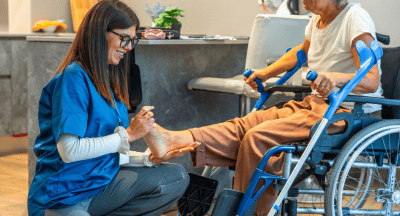
There’s something quietly powerful about hands-on physical therapy. It’s more than technique—it’s connection. Skilled therapists are trained to sense tension patterns, muscle guarding, and subtle misalignment. They become partners in your healing journey. And at Thrive, that collaboration is rooted in personalized, one-on-one attention. There’s no “cookie-cutter plan.” Instead, the therapy evolves as you do—day by day, stretch by stretch, strength by strength.
You might feel chest tightness from overcompensation, or your hips might resist weight-bearing on one side. Your body is trying to protect itself. The therapist doesn’t simply prescribe motions—they listen with their hands and eyes, discovering how to offer release in just the right place, gently guiding you back toward fluid movement.
A Journey, Not a Race
It’s tempting to want fast results, to mark progress the moment pain starts to lift. But real recovery is a nurturing journey, not a sprint. At Thrive, therapists encourage small, meaningful wins: the first time you bend your knee without wincing, when standing on your own without support, when lifting a lightweight without fear. These milestones, even modest, make your confidence grow.
As your strength builds, therapists weave in techniques that go beyond just healing. You might explore functional movement drills—like turning over on the floor or climbing a few steps—so the therapy feels applied, purposeful, like real life again. That slow return to competence, patience entwined with progress, becomes your own affirmation.
Building Foundations: Strength, Stability, Flexibility
Recovery isn’t just about healing the hurt—it’s about constructing better underneath. Core stability becomes your secret anchor. Joint mobility becomes your silent ally. Muscle strength becomes your trusted friend. In that space, exercises are more than tasks—they’re invitations: to trust, to improve, to reclaim.
A simple seated exercise can become transformational: engaging the deep core, drawing breath, letting movement ripple through one joint at a time. Slowly, you feel steadier. Your posture softens. The world begins to feel less threatening.
Those moments—the gentle breath, the secure core, the warm stretch—are what make the work feel alive. And often, patients speak of that firsthand: how movement transforms from a chore into a ritual of rediscovery, bridging vulnerability and empowerment.
The Role of Mind and Body Working Together
Physical healing unfolds best when your mindset shifts too. You might be navigating frustration, fear of reinjury, or even financial stress tied to being out of work. Thrive understands that healing is holistic. Therapists encourage you to celebrate small victories, to notice what your body is grateful for, to anchor yourself in progress.
Maybe you practice a mindful body scan before a session—sensing where tension sits, where warmth arrives. That awareness primes every stretch, every contraction, every breath. Slowly, physical restoration becomes inseparable from mental resilience. You learn to see your body not just as fragile, but as adaptable, responsive, alive.
Real Life Movement and Work Readiness
Workplace demands vary—from computer typing, lifting boxes, climbing ladders, to standing for long stretches. Recovery needs to reflect that. At Thrive, therapists tailor the later stages of therapy to exactly those contexts. If your job requires overhead reach, you’ll practice safe shoulder mobility under guided supervision. If steady balance matters, you’ll explore dynamic standing exercises.
This isn’t theoretical. It’s practical. Your therapy takes place on a mat, with a light weight, maybe even a replication of your workspace. And therapists challenge you—not in a harsh way—but in ways that feel relevant. Because moving safely in your return to work is not one-size-fits-all. It’s “your work, your body, your life.”
Embracing Long-Term Wellness, Not Just Recovery
Healing isn’t just about closing the accident chapter—it’s about writing something new. Long-term mobility means strategies that hold up beyond rehab. At Thrive, that might include “Fit to Thrive,” an ongoing program to build core strength, posture, and movement habits. It’s not about endless sessions—it’s about wiring in a new way to live, move, feel.
Maybe after your formal recovery, you continue with gentle core training, daily breathwork, posture breaks, or occasional check-ins. These habits become your safety net, reducing the chance of reinjury. Over time, you find that movement feels familiar again—and that your body and mind trust each other.
Subtopic: The Healing Rhythm – Moving, Pausing, Reflecting
Recovery has its own cadence. Sometimes you push gently, feeling alive; sometimes you pause, sensing soreness; and sometimes you reflect, noticing how far you’ve come. Those pauses are essential—they’re when your brain weaves in new movement patterns, where quiet confidence grows.
Therapists encourage you to listen: “Does that feel easier today?” or “Is your breath smoother?” That kind of gentle inquiry turns movement from mechanical into meaningful. Every session becomes less about ticking off exercises, and more about noticing your strength, your body speaking back to you.

Subtopic: The Role of Support—Your Therapist, Your Community, Yourself
Recovery thrives in connection. Your therapist is more than a coach—they’re a listener, a partner in hope. Maybe they remember how tight your neck felt on your first visit, or how brave you were to try bending your knee again. That memory, held by another person, becomes validating.
Friend or family support also matters. The loved one who brings you to appointments, helps stabilize your footing, or simply reminds you of how capable you are today compared to yesterday. And most importantly, your internal voice—gentle, forgiving, hopeful—becomes your anchor.
When all those voices—the therapist’s, the loved ones’, and your own—join in, you feel held. Physical healing becomes emotional healing. Strength becomes layered with trust.
Suggested Reading: Role of Work Injury Therapy in Preventing Long-Term Disability
Conclusion: A Story of Quiet Transformation
Restoring strength and mobility after a workplace accident isn’t a dramatic movie montage. It’s quiet. It’s steady. It’s waking up and realizing you can turn without pain. It’s confidently reaching overhead. It’s standing without bracing. It’s rebuilding movement right where fear once lived.
Through personalized care, attentive hands, strength-building, mindset nourishment, and a community backing you, movement becomes not a job, but a reclaimed rhythm. At Thrive Physical Therapy, that rhythm matters. It’s where pain once whispered—and now, hope hums.
When you’re ready, your next step is already weaving itself into your recovery story.
Related Posts
Effective rehabilitation strategies for foot and ankle
Here is an article exploring effective rehabilitation strategies for foot and...

Beyond the Brace: Hands-On Therapies That Heal Elbow Injuries
If you’ve ever dealt with an elbow injury, you know it’s more than just an...

Overcoming Common Challenges in Post-Surgery Physical Therapy
Recovery after surgery is rarely a straight road. For many patients, the day the...

How Pelvic Floor Therapy Can Support a More Comfortable Pregnancy
Pregnancy is a beautiful time, but it can also bring physical changes that you...