
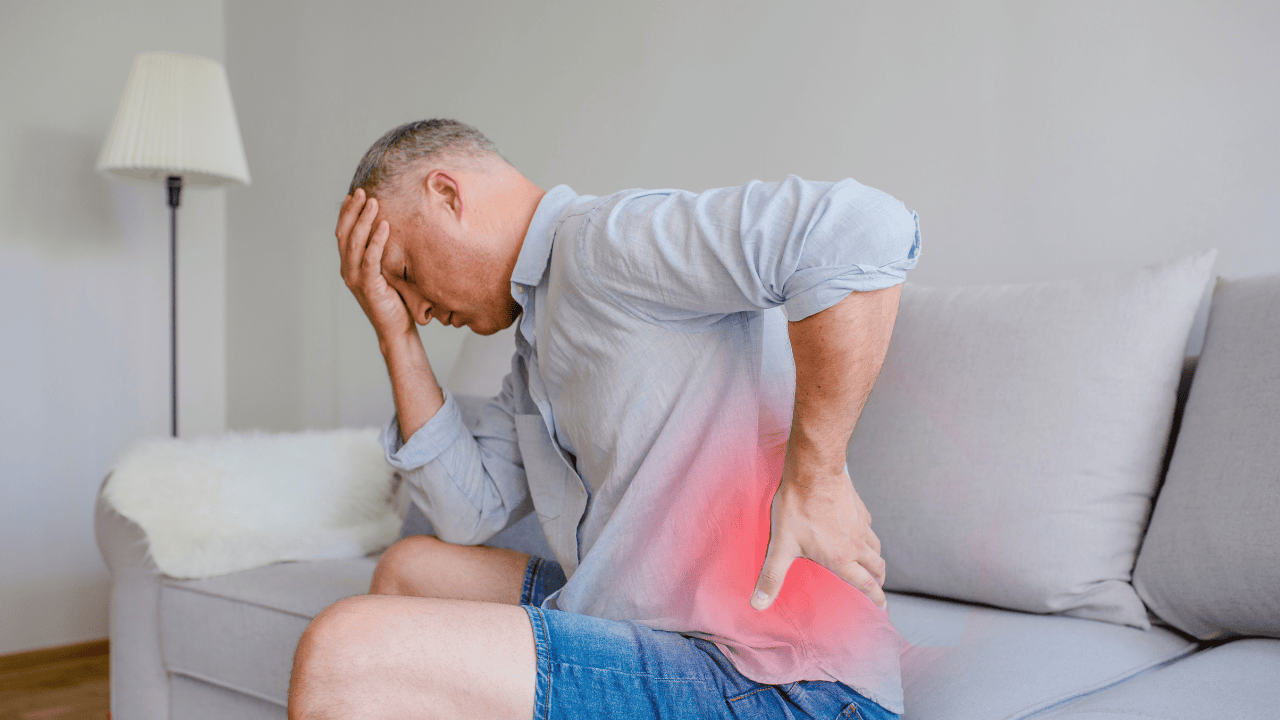
Physical Therapy Tips for Managing Chronic Lower Back Pain
Chronic lower back pain is one of the most common conditions that bring people to seek medical attention. Unlike acute pain, which might resolve in a few weeks, chronic pain lingers for months and often interferes with daily life. Many patients describe a constant dull ache, intermittent sharp pains, or a stiffness that seems to limit movement in ways that impact everything from walking to sitting comfortably. Physical therapy is often a cornerstone in managing this kind of pain because it focuses not just on temporary relief, but on long-term strategies to strengthen, stabilize, and support the lower back.
What makes chronic lower back pain particularly challenging is that it often has multiple contributing factors. Muscle imbalances, poor posture, weak core muscles, prolonged sitting, and even stress can play a role. The spine is a complex structure of bones, discs, nerves, ligaments, and muscles, and when any of these are strained or misaligned, pain can follow. Physical therapy approaches aim to address all these areas holistically, helping patients regain function and reduce discomfort without relying solely on medications.
The Role of Physical Therapy in Managing Pain
Physical therapy is not just about exercises or stretches; it is about understanding how your body moves, identifying what aggravates pain, and retraining your muscles and nervous system to respond differently. For someone with chronic lower back pain, a physical therapist will evaluate posture, gait, muscle strength, and flexibility. This evaluation helps create a personalized plan that addresses your unique situation. Unlike a one-size-fits-all approach, personalized physical therapy considers your daily routines, work habits, and even hobbies to ensure the interventions are practical and sustainable.
One of the key benefits of physical therapy is that it empowers patients to take an active role in their recovery. Learning how to move safely, strengthen weak areas, and correct posture can reduce flare-ups and prevent future episodes. Therapists often teach patients to listen to their bodies, recognizing the difference between discomfort from effort and pain signaling injury. This awareness is crucial in managing chronic conditions because it allows patients to participate in their own healing process and avoid patterns that exacerbate their pain.
Gentle Stretches to Reduce Tension
Stretching is often the first step in managing chronic lower back pain. Tight muscles, particularly in the hips, hamstrings, and lower back, can pull on the spine and create or worsen discomfort. Simple, gentle stretches done consistently can relieve tension and improve overall mobility. Hip flexor stretches, for instance, help reduce the strain that comes from prolonged sitting, while hamstring stretches alleviate pressure on the lower back during bending or lifting activities. Physical therapists often guide patients through these stretches, ensuring they are performed safely and effectively.
Beyond static stretches, some dynamic movements are particularly beneficial. Controlled twisting or side-bending exercises can help maintain spinal mobility without overloading sensitive structures. These movements should be slow and deliberate, focusing on breathing and alignment rather than pushing through pain. Over time, these stretches can decrease stiffness, making it easier for patients to perform everyday activities without discomfort.
Strengthening the Core for Stability
A strong core is often described as the foundation of a healthy back. Core muscles include not only the abdominal muscles but also deeper stabilizing muscles that support the spine and pelvis. Weakness in these areas can contribute to chronic lower back pain because the spine lacks adequate support during movement. Physical therapists emphasize core strengthening exercises that are low-impact but highly effective. These exercises often start with simple movements such as pelvic tilts, bridges, and controlled abdominal contractions.
Progressive strengthening is key. As patients become more comfortable with basic core exercises, therapists may introduce more challenging activities, such as stability ball exercises or functional movements that mimic everyday tasks. The goal is to build endurance and resilience in the muscles that support the spine, so that the back can handle daily stresses without overcompensating or straining. Stronger core muscles not only reduce pain but also improve posture, balance, and overall movement efficiency.
Posture Correction and Ergonomic Awareness
Chronic lower back pain is often exacerbated by poor posture. Sitting for long periods, slouching, or leaning forward at a desk can all create persistent strain on the lower back muscles. Physical therapists frequently work with patients to improve posture and introduce ergonomic adjustments in daily life. This may involve educating patients about proper sitting alignment, recommending supportive chairs, or suggesting adjustments to workstation height.
Ergonomic awareness extends beyond the office. Patients learn how to lift safely, carry weight appropriately, and engage the correct muscles during physical activity. These changes can prevent the development of new injuries while managing existing pain. By integrating posture correction into everyday life, patients often experience a gradual reduction in discomfort and an increase in confidence in their movements.
Movement Education and Functional Training
One of the unique aspects of physical therapy is its focus on functional training. Chronic lower back pain is not just about muscles and joints; it’s about how patients move through space. Physical therapists teach patients strategies to move efficiently and safely, whether it’s bending to pick up a child, reaching for an object, or walking for extended periods. This education often involves breaking down complex movements into smaller, manageable components, and practicing them repeatedly to build muscle memory and confidence.
Functional training also helps patients address compensatory patterns. For instance, if pain has caused a patient to shift weight unevenly while walking, the therapist works to retrain balanced movement. Over time, this retraining reduces stress on the lower back and associated muscles, decreasing pain and improving mobility. Patients learn that movement does not have to be painful or fear-inducing, which is a crucial mindset for long-term management.
Incorporating Low-Impact Cardiovascular Activity
While strengthening and stretching are central to physical therapy, cardiovascular activity plays a supportive role in managing chronic lower back pain. Low-impact exercises, such as swimming, cycling, or walking, help increase blood flow to muscles and joints, promoting healing and reducing stiffness. They also aid in weight management, which is important because excess body weight can exacerbate lower back stress.
Physical therapists often recommend starting with gentle, low-duration sessions and gradually increasing intensity as tolerated. The key is consistency rather than intensity, as regular movement supports both physical health and pain management. Cardiovascular exercise can also positively affect mood, reducing stress and anxiety that often accompany chronic pain, creating a holistic approach to patient well-being.
Manual Therapy Techniques
Manual therapy is another tool commonly used by physical therapists to address chronic lower back pain. These hands-on techniques include soft tissue massage, joint mobilization, and myofascial release. The purpose is to relieve tension, improve circulation, and enhance mobility in areas that may be stiff or restricted. Manual therapy can also help patients become more aware of their bodies, teaching them where tension is held and how it impacts movement.
When combined with exercise and posture training, manual therapy offers an integrated approach. While some patients find immediate relief from these techniques, the true benefit lies in preparing the body for sustainable functional improvements. It is a complement to active therapy, reinforcing the strength and flexibility gained through exercises.
Pain Management Through Lifestyle Integration
Physical therapy extends beyond the clinic; lifestyle choices can significantly influence chronic lower back pain. Proper sleep, stress management, hydration, and nutrition all play a role in muscle recovery and inflammation reduction. Patients are often encouraged to develop routines that incorporate movement breaks during sedentary work, maintain a healthy weight, and practice mindfulness or relaxation techniques. These integrative strategies support the physical therapy work and enhance long-term outcomes.
Patients learn that managing chronic pain is not about complete avoidance of activity but about engaging in thoughtful, structured movement. This approach fosters independence and reduces reliance on medications or passive treatments, allowing patients to reclaim their quality of life.

Long-Term Strategies and Maintenance
Even after initial improvements, maintaining lower back health requires ongoing attention. Physical therapists often develop maintenance programs tailored to each patient, combining strengthening, stretching, and functional exercises. Periodic check-ins allow therapists to adjust the program based on lifestyle changes, progression, or any recurring pain. This proactive approach helps prevent relapses and equips patients with the knowledge to manage flare-ups effectively.
Consistency is key. Patients who continue exercises at home, maintain proper posture, and stay physically active generally report fewer episodes of pain and greater overall mobility. Physical therapy instills habits that promote spine health over a lifetime rather than providing only temporary relief.
The Psychological Component of Chronic Pain
Chronic lower back pain is not only physical but also emotional. Pain can lead to anxiety, depression, and a sense of frustration when daily activities become difficult. Physical therapists often integrate strategies to address the psychological aspects of chronic pain, fostering a mindset of resilience and self-efficacy. Understanding the connection between mental well-being and pain perception allows patients to approach recovery with a positive and proactive attitude.
Therapists encourage patients to celebrate small victories, such as improved mobility or reduced pain episodes, which reinforces motivation and adherence to treatment plans. This holistic approach ensures that recovery is sustainable both physically and emotionally.
Suggested Reading: The Hidden Benefits of Targeted Back Therapy Exercises
Conclusion
Managing chronic lower back pain requires a comprehensive and personalized approach. Physical therapy offers a blend of education, strengthening, stretching, manual techniques, and lifestyle integration to address the root causes of pain rather than just symptoms. Through consistent effort, patients can regain mobility, improve strength, and reduce discomfort, ultimately reclaiming their quality of life. Thrive Physical Therapy provides expert guidance and individualized care for those dealing with chronic lower back pain, ensuring patients are supported every step of the way on their journey to recovery. To learn more about personalized physical therapy solutions, visithttps://thriveptclinic.com/.
Related Posts

Is Your Lower Back Pain Actually Coming From Your Hip?
Lower back pain is one of the most common reasons people seek physical therapy....

How Physical Therapy Reduces Chronic Pain After an Auto Accident
It usually starts with a screech, a jolt, and the kind of silence that follows a...

How Personalized Concussion Therapy Helps You Recover Faster
Concussions can feel like invisible injuries. On the outside, you might appear...

Foot Pain at Work? Therapy Solutions for Busy Professionals
Long workdays have a strange way of sneaking up on the body. One moment you are...