
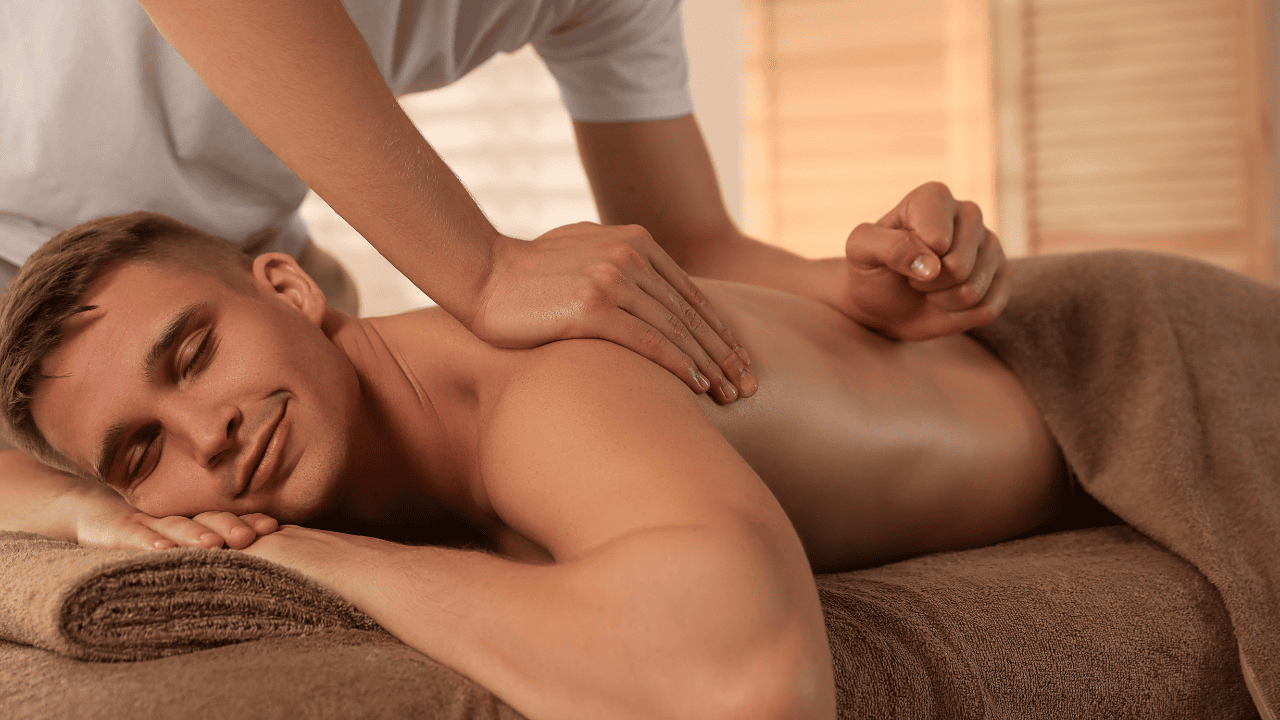
Benefits of Combining PT with Massage for Back Relief
Back pain is one of the most common complaints people face in their daily lives. Whether it’s from long hours at a desk, strenuous physical activity, or lingering injuries, the discomfort can be persistent and life-altering. Many patients find themselves caught between temporary relief solutions and long-term strategies for healing. This is where the combination of physical therapy and massage comes into play. Integrating these approaches not only targets the symptoms but also addresses the root causes of back pain, offering a pathway to recovery that is both effective and sustainable.
Understanding Back Pain and Its Impact
Before diving into treatment options, it is essential to understand the complexities of back pain. The back is a network of muscles, ligaments, nerves, and bones, all working together to support movement and maintain posture. When one component is strained or injured, it can trigger a cascade of discomfort affecting the entire system. Pain can manifest as stiffness, sharp sensations, or even radiating discomfort that extends into the legs or neck. Beyond physical symptoms, chronic back pain can affect sleep, mood, and overall quality of life, making a comprehensive treatment plan vital for recovery.
Patients often try quick fixes such as over-the-counter pain medications, stretching routines, or temporary braces, which may offer short-term relief but fail to address underlying issues. Without proper intervention, the pain can become chronic, leading to reduced mobility and a dependence on ineffective remedies. Combining physical therapy with massage therapy can break this cycle by targeting both muscular tension and structural imbalances.
How Physical Therapy Supports Back Health
Physical therapy is centered on assessing and improving the function of the body. For back pain, a physical therapist evaluates posture, muscle strength, flexibility, and movement patterns to design a personalized rehabilitation plan. Exercises are chosen specifically to restore balance, improve stability, and enhance core strength, which is crucial for supporting the spine.
One of the most significant advantages of physical therapy is its focus on movement-based recovery. Unlike passive treatments, physical therapy empowers patients to engage actively in their healing process. By learning proper techniques for lifting, bending, and stretching, patients reduce the risk of future injuries while gradually regaining mobility. Over time, these exercises not only alleviate pain but also rebuild resilience in the back muscles and surrounding tissues.
Physical therapy also incorporates modalities such as heat or cold therapy, electrical stimulation, and traction when necessary. These treatments complement the exercise regimen, addressing inflammation and promoting circulation to injured areas. The holistic approach ensures that the back is not merely masked with pain relief but is genuinely rehabilitated for long-term wellness.
The Role of Massage in Back Relief
Massage therapy has been used for centuries to relieve pain and promote relaxation. For individuals suffering from back pain, massage targets muscle tension, knots, and areas of restricted blood flow. The physical manipulation of soft tissues helps to reduce stiffness, improve flexibility, and encourage natural healing processes.
Massage works at both physical and psychological levels. Physically, it increases circulation, which helps deliver essential nutrients to muscles and remove metabolic waste products that can contribute to soreness. Psychologically, massage reduces stress and promotes relaxation, which is important because chronic pain can heighten anxiety and muscle tightness. When the mind relaxes, the body follows, creating an environment conducive to healing.
Different massage techniques, from deep tissue to trigger point therapy, can be tailored to the patient’s needs. Deep tissue massage targets the deeper layers of muscle and connective tissue, releasing chronic tension that contributes to persistent back pain. Trigger point therapy focuses on specific areas that are particularly tight or painful, releasing tension and improving overall movement.
The Synergy Between Physical Therapy and Massage
While physical therapy and massage are effective independently, combining them creates a synergy that enhances results. Physical therapy strengthens and rehabilitates the back, while massage addresses immediate muscle tension and promotes relaxation. This dual approach accelerates recovery by ensuring that the body is not only strong but also flexible and free from chronic tension.
Patients often find that the combination allows them to perform exercises more comfortably. Muscles loosened through massage respond better to stretches and strengthening routines, and improved circulation aids in tissue repair. By alternating between active rehabilitation and restorative therapy, patients can experience a more comprehensive recovery that addresses both structural and muscular issues.
Moreover, the combination reduces the likelihood of flare-ups and recurring pain. Chronic back pain often results from repetitive strain or improper posture. While physical therapy corrects movement patterns and strengthens supporting muscles, massage alleviates residual tension that could trigger future discomfort. Together, these therapies create a balanced system where the back is supported, mobile, and less prone to injury.
Personalized Treatment Plans for Lasting Relief
An essential aspect of combining PT with massage is personalization. Every patient’s back pain story is unique, influenced by lifestyle, occupation, age, and physical condition. Skilled practitioners assess these factors to design individualized treatment plans that incorporate both physical therapy exercises and targeted massage sessions.
For some patients, the focus may be on restoring mobility after an injury, while others might need to manage chronic stiffness and prevent further degeneration. Massage techniques, intensity, and frequency are adjusted based on the patient’s comfort and progress. Likewise, physical therapy exercises evolve as the patient gains strength, ensuring that the treatment remains effective over time.
Consistency is crucial in this approach. Patients who commit to regular sessions of combined therapy often report faster pain relief, improved flexibility, and enhanced overall well-being. It becomes a lifestyle change rather than a temporary fix, equipping individuals with the tools and strategies they need to maintain a healthy back long after formal treatment ends.
Supporting Mental and Emotional Well-Being
Back pain is not only a physical burden; it takes a toll on mental and emotional health. The persistent discomfort can lead to frustration, anxiety, and even depression, affecting social interactions and daily activities. Combining physical therapy with massage addresses these challenges by promoting a sense of control and relaxation.
Physical therapy empowers patients by teaching them exercises and techniques to actively manage their pain. Massage offers moments of relief and comfort, reducing stress hormones and fostering a sense of calm. Together, they create a supportive environment where patients feel cared for and capable of making progress. This holistic approach acknowledges that healing involves both the body and the mind, making recovery more sustainable and meaningful.
Enhancing Flexibility and Range of Motion
One of the key benefits of integrating physical therapy and massage is the enhancement of flexibility and range of motion. Physical therapy exercises focus on strengthening muscles, improving posture, and stabilizing the spine, which naturally contributes to better movement. Massage complements this by loosening tight muscles, breaking down scar tissue, and promoting blood flow, all of which make it easier for patients to achieve full mobility.
Improved flexibility reduces the risk of future injuries and allows for smoother, more efficient movement in daily activities. Patients often notice that tasks that once caused discomfort, such as bending to pick up objects or reaching overhead, become more manageable. This improvement in functional movement is not just a physical benefit but also boosts confidence and independence.
Reducing Inflammation and Muscle Tension
Chronic back pain is frequently associated with inflammation and persistent muscle tension. Physical therapy incorporates strategies such as targeted exercises, posture correction, and controlled movement to minimize strain and reduce inflammation over time. Massage therapy addresses the immediate tension in the muscles, releasing tight areas that may be exacerbating discomfort.
The combination allows patients to experience both immediate relief and long-term improvements. While massage can alleviate soreness after a physically demanding day or exercise session, physical therapy ensures that the back muscles are strengthened to prevent recurring inflammation. This dynamic approach helps patients break free from cycles of pain and stiffness that often accompany chronic back conditions.
Encouraging Long-Term Healthy Habits
Combining physical therapy with massage not only addresses current pain but also encourages healthy habits that prevent future issues. Patients learn proper lifting techniques, posture awareness, and exercises to maintain core strength and spinal health. Regular massage sessions remind patients to tune into their bodies, recognizing tension and stress before it escalates into pain.
This dual approach promotes proactive care rather than reactive treatment. Patients become more mindful of their posture, movement patterns, and overall body mechanics, making it less likely that minor discomfort develops into a chronic problem. By integrating therapy into daily life, individuals enjoy a higher quality of life with fewer interruptions from back pain.

Improving Recovery from Injury and Surgery
For patients recovering from back injuries or surgery, combining physical therapy with massage can significantly enhance the rehabilitation process. Physical therapy provides structured exercises to rebuild strength, flexibility, and endurance, while massage reduces post-operative stiffness and improves circulation to healing tissues.
The coordinated approach ensures that recovery is efficient and comprehensive. Massage can alleviate discomfort from surgical scar tissue or muscle imbalances, while physical therapy restores functional movement and stability. Patients often find that this combination shortens recovery time and improves overall outcomes compared to relying solely on one form of therapy.
Building Core Strength and Stability
Core strength is fundamental to maintaining a healthy back. Physical therapy emphasizes exercises that target the abdominal muscles, lower back, and pelvic floor, creating a supportive foundation for the spine. Massage complements this by releasing tension in surrounding muscles, allowing the core to engage more effectively.
A strong core reduces the likelihood of future injuries and supports proper posture during daily activities. Patients notice improved endurance, less fatigue during movement, and a more resilient back. The synergy between strengthening exercises and muscular release ensures that the body functions optimally, reducing stress on the spine and supporting long-term back health.
Promoting Overall Well-Being
The benefits of combining physical therapy with massage extend beyond the back. Patients often experience improved sleep, reduced anxiety, and enhanced overall energy levels. The integrated approach promotes holistic health by addressing pain, tension, mobility, and mental well-being simultaneously.
When back pain is effectively managed, patients regain confidence in their bodies. They can engage in activities they enjoy, maintain social connections, and approach daily tasks with greater ease. The combination of therapy and massage fosters a sense of vitality and balance, encouraging a healthier and more fulfilling lifestyle.
Suggested Reading: Physical Therapy Tips for Managing Chronic Lower Back Pain
Conclusion
Back pain can be a complex and persistent challenge, affecting not only physical function but also mental and emotional well-being. Addressing it requires a thoughtful, comprehensive approach that goes beyond temporary relief. Combining physical therapy with massage offers patients a powerful pathway to recovery. Physical therapy strengthens, stabilizes, and rehabilitates the back, while massage alleviates tension, promotes circulation, and fosters relaxation. Together, they provide immediate relief, long-term improvement, and the tools necessary for maintaining a healthy back. Patients who embrace this integrated approach experience enhanced flexibility, reduced pain, improved core strength, and a greater sense of overall wellness. For those seeking a personalized, effective, and compassionate approach to back relief, Thrive Physical Therapy provides expert guidance and treatment options designed to help patients regain mobility, confidence, and quality of life. Learn more athttps://thriveptclinic.com/.
Related Posts

Improving Shoulder Strength Through Guided Therapy
If you’ve ever felt that nagging ache or stiffness in your shoulder maybe when...

Top Exercises for Hip Pain Relief at Home
Here’s an article written especially for patients — a conversational, caring...

Effective Exercises for Shoulder Pain Relief
Shoulder pain is more than just a nuisance—it can be a barrier to enjoying...

Pelvic Pain and PT: How Physical Therapy Helps Relieve Chronic Pelvic Discomfort
If you’ve ever felt a deep, nagging ache in your pelvic region that doesn’t seem...