

The Role of Pelvic Floor PT in Managing Pelvic Organ Prolapse
Imagine waking up one morning feeling like something just doesn’t sit right inside you. There’s a heaviness, a sensation of fullness or pressure in your pelvis that you can’t quite describe. It’s unlike muscle soreness after a workout or the brief twinge you feel from sitting too long. This feeling seems to linger. You might worry whether it’s normal, if it will worsen, or if anything can actually help.
If that sounds familiar, you’re not alone. Many people, especially women who have experienced childbirth, hormonal changes, aging, or heavy physical labor live with a condition that’s much more common than most of us realize: pelvic organ prolapse. Yet, for all its prevalence, it remains one of the most misunderstood and quietly endured health issues.
What if I told you that the pelvic floor physical therapy (PT) your doctor mentioned in passing isn’t just a buzzword or a vague suggestion? What if this specialized therapy, offered by clinics like Thrive Physical Therapy, could be a game-changer in how you manage prolapse not through guesswork, but through real, individualized care that puts your body and goals at the center of recovery?
Let’s unpack what pelvic organ prolapse truly is, why pelvic floor PT matters so much, how it works in everyday life, and why a clinic like Thrive makes a real difference in patients’ journeys toward comfort, confidence, and control.
Understanding Pelvic Organ Prolapse
Pelvic organ prolapse sounds clinical, but what it really boils down to is a loss of support. Deep within your body, a group of muscles, ligaments, and connective tissues form a supportive “hammock” known as the pelvic floor. This structure holds up organs like the bladder, uterus, and rectum. When this network weakens or becomes strained, one or more of these organs can begin to descend into the vaginal canal or in some cases, outside of it. That’s what we call prolapse.
For many people, prolapse doesn’t start with dramatic symptoms. It might begin as a sense of pressure when you stand up after sitting for a while, a heavier feeling at the end of the day, or discomfort during lifting or exercise. Some describe it as the sensation of “something being out of place” or “a balloon pushing down.” It can be subtle, and that’s precisely why so many delay seeking help. But left unaddressed, the symptoms may gradually impact not just physical comfort, but emotional wellbeing, confidence, and participation in activities you love.
Addressing prolapse isn’t just about strengthening muscles randomly or crossing your fingers that things will improve. It’s about understanding how your body moves, how it manages pressure, and how your pelvic floor interacts with your breathing, core, and overall posture. That’s where pelvic floor PT enters the conversation and it’s much more than a set of exercises you find on a pamphlet.
Why Pelvic Floor Physical Therapy Matters
Most people’s first thought when hearing “pelvic floor therapy” is often a set of exercises usually Kegels. And yes, Kegels have earned their place in the world because they can help when done correctly. But Kegels alone are only a piece of a much bigger picture. In fact, if someone has a hypertonic (overly tight) pelvic floor, doing Kegels incorrectly can sometimes make things worse. That’s because the pelvic floor doesn’t operate in isolation. It is part of a dynamic system involving your core muscles, diaphragm, glutes, and even your posture.
When you walk into a pelvic floor physical therapy session at a place like Thrive Physical Therapy, you’re not just handed a worksheet. You’re met with a therapist trained to consider your whole body. These specialists don’t just look at muscle strength, they assess movement patterns, breathing mechanics, postural alignment, flexibility, and how all of these elements influence the pressure through your pelvis. Treating pelvic organ prolapse effectively depends on understanding these connections because prolapse isn’t simply a “weakness” problem; it’s often a coordination and support issue influenced by your daily movement habits.
Your pelvic floor shouldn’t work alone; it works in tandem with your abdominal muscles, back muscles, and diaphragm to manage pressure when you lift, cough, laugh, pick up your child, or even take a deep breath. If any part of that system is out of sync tight muscles, poor coordination, unbalanced breathing your pelvic floor can bear the brunt.
This is exactly why pelvic floor physical therapy matters so much. It’s not a one-size-fits-all exercise plan. It’s a comprehensive, whole-body approach tailored to your history, symptoms, goals, and lifestyle.
A Closer Look at How Pelvic Floor PT Works
You may be wondering what actually happens in a pelvic floor physical therapy session. Let’s paint a picture that feels less intimidating and more empowering.
From the very first moment, the therapist’s goal is to listen. This isn’t a rushed “tell me your symptoms and pick up these exercises.” A high-quality clinic like Thrive takes the time to hear your story, understand your patterns, and gently assess what’s contributing to your symptoms.
That assessment is thorough. It includes an evaluation of:
- How your pelvis, spine, and hips move during everyday activities
- How your breathing mechanics interact with your pelvic floor
- The strength and flexibility of pelvic floor muscles
- The coordination between pelvic muscles and your core
- How your posture may be influencing pressure and support
Some of this work may happen through conversation and external observation. Other techniques can include manual therapy, guided activation, and techniques designed to help your muscles learn how to relax, engage, and coordinate correctly. Manual therapy may involve gentle hands-on work to release tension or improve mobility. Importantly, all techniques are guided by comfort, consent, and your pace of healing.
Therapists may also incorporate modalities like biofeedback, which uses gentle sensors to help you see how your muscles are working. This isn’t high-tech for the sake of it biofeedback gives you real, visual feedback so you can truly understand whether you’re engaging the right muscles and how they respond to different cues.
When it comes to prolapse, these sessions often focus on strengthening in functional ways (not just random reps), improving how your body manages pressure during everyday life, and teaching coordination rather than just brute force. Because prolapse isn’t solely about strength it’s about timing, support, and how your body moves as a whole.
Shifting the Narrative Beyond Symptoms
One of the most powerful aspects of pelvic floor PT is how it changes your relationship with your own body. Many patients come in feeling embarrassed, confused, or resigned to living with discomfort. They’re told by well-meaning friends or even some healthcare providers that symptoms are just a normal part of aging or postpartum life. That silence and resignation can cultivate shame and isolation.
At Thrive Physical Therapy, pelvic health is treated with dignity, warmth, and clinical excellence. Conversations that may feel awkward elsewhere become opportunities for education, validation, and empowerment. You’re not “weird” for wanting to feel comfortable again. You’re not alone in this journey. The goal isn’t just to mask your symptoms it’s to help your body learn, adapt, and function with greater ease.
This shift of narrative seeing pelvic floor PT not as a last resort, but as a proactive, whole-body rehabilitation plan is part of why patients experience relief that goes beyond the physical. They gain confidence in their body’s abilities, clarity about what’s actually happening internally, and tools they can use for a lifetime of pelvic health.
Managing Pelvic Organ Prolapse with PT
Now let’s bring the focus back specifically to pelvic organ prolapse. It’s true that pelvic floor PT doesn’t “cure” prolapse in the dramatic sense of making the support structures magically revert to a previous state. But it absolutely can help improve symptoms dramatically, enhance quality of life, and often reduce the degree of prolapse through strength, coordination, and lifestyle education.
When a therapist works with someone experiencing prolapse, the plan isn’t just about squeezing muscles tighter. It’s about understanding how to support your organs functionally throughout your daily demands. That might mean improving breath control so your diaphragm and pelvic floor move in harmony. It could involve retraining postural patterns that reduce downward pressure in the pelvis. It often means teaching you how to brace safely during lifting, coughing, or physical activity so you don’t inadvertently increase pressure behind weakened support structures.
Managing prolapse with PT also involves education. Understanding the condition helps you make informed decisions about activity modifications or lifestyle habits that support your goals. For some patients, this means learning strategic ways of bending or picking up objects. For others, it’s about optimizing bowel health and hydration to reduce straining.
Crucially, pelvic floor PT helps you engage in strength building without fear. Too often, people with prolapse avoid physical activity, fearing they’ll make things worse. A well-trained therapist helps you reframe what’s safe and effective, empowering you to stay active and strong. For many, this is a turning point: they stop fearing their body and start trusting it again.

Stories of Transformation: Beyond Physical Symptoms
While every person’s journey is unique, many patients describe similar shifts as they progress through pelvic floor PT. Some share that involuntary leaking during everyday moments becomes rare or manageable. Others find the uncomfortable sensation of pressure less frequent or intense. Many women post-childbirth regain confidence in returning to exercise, hiking, or lifting without hesitation.
But perhaps the most touching transformations are less about statistics and more about quality of life. Patients often talk about laughing without fear, being intimate without pain or worry, sleeping better at night, and feeling more present in their bodies. That sense of relief physically and emotionally is something that goes beyond simple symptom reduction.
This holistic change highlights a fundamental truth: pelvic floor PT isn’t just about muscles. It’s about restoring confidence, reclaiming activities that once felt unsafe, and supporting your body in a way that respects its complexity rather than treating symptoms in isolation.
Why Thrive Physical Therapy is a Partner in Your Pelvic Health
Now you might be wondering, “Why Thrive? What makes them different?” It’s a fair question, especially when you’re considering investing your time and energy into a therapy plan.
What sets Thrive Physical Therapy apart is their foundation in personalized care and a whole-person approach. Rather than generic protocols, they take time to understand you your concerns, your lifestyle, your goals. The pelvic floor specialists at Thrive combine technical expertise with deep listening, creating treatment plans that reflect both clinical evidence and your lived experience.
This means your sessions are focused on progress that matters to you. Whether you’re hoping to reduce a sense of heaviness, return to impact exercise, manage prolapse symptoms more effectively, or simply live without fear of unexpected leaks, your plan reflects your priorities.
More than that, the therapists at Thrive make sure you understand why each exercise or technique matters. You’re not left guessing whether you’re doing it right. You’re not shuffled through a busy clinic with minimal attention. Instead, you receive focused, compassionate care designed to equip you with awareness and skills, not just temporary symptom relief.
For anyone navigating pelvic organ prolapse, this level of partnership can be transformative. You start to feel less like a patient with problems and more like a person with goals and a plan to reach them.
Suggested Reading: Pre-Surgical and Post-Surgical Pelvic Floor PT: Preparing Your Body for Better Recovery
The Path Forward: Healing with Knowledge and Compassion
Dealing with pelvic organ prolapse can feel overwhelming at first. There’s so much to learn, so many mixed messages about what helps, and so much fear about whether it can get better. But the journey through pelvic floor PT reframes all of that.
Instead of enduring symptoms in silence or avoiding life’s activities, you begin to understand how your body functions. You learn how to optimize strength, coordination, and support in ways that respect your body’s capacity. You gain tools that extend beyond the clinic breathing techniques, movement strategies, and awareness that becomes part of how you move through the world.
Physical therapy doesn’t erase prolapse overnight. What it does do is moderate symptoms, enhance function, and give you control over how your body responds to daily life. That’s a profound shift, one that brings back confidence, independence, and comfort in ways you might not have thought possible.
At Thrive Physical Therapy, this process is guided with empathy, evidence, and real connection. Your story matters. Your goals matter. And your body has an incredible capacity to adapt and strengthen when given thoughtful, personalized care.
If you’re ready to explore what managing pelvic organ prolapse with expert pelvic floor therapy looks like guided by clinicians who truly see your whole self and your goals visithttps://thriveptclinic.com/. Your path to greater comfort, confidence, and control can start today.
Learn More
Pre-Surgical and Post-Surgical Pelvic Floor PT: Preparing Your Body for Better Recovery
Surgery can be a turning point in anyone’s life, a bridge between pain and relief, limitation and freedom, uncertainty and hope. But the road leading to and following surgery doesn’t begin or end in the operating room; it starts long before the first incision and continues well after the last stitch. One of the most powerful tools to set yourself up for success is pelvic floor physical therapy, especially when thoughtfully integrated before and after surgery.
For many patients, pelvic floor therapy isn’t just about muscles in isolation, it’s about reclaiming comfort, confidence, and a sense of bodily wholeness. At Thrive Physical Therapy, this perspective shapes how therapy is delivered: with personalization, empathy, and an unwavering commitment to individual goals.
In this article, we’ll take you through a journey starting with the preparation phase, moving through surgical recovery, and illuminating how pelvic floor PT can help you not just heal, but thrive.
A Warm Welcome to Your Body’s Inner Support System
Before we dive into why pre- and post-surgical physical therapy matters, let’s talk about what the pelvic floor actually is.
The pelvic floor isn’t just one muscle, it’s a group of muscles and connective tissues that form a supportive hammock at the base of your pelvis. These muscles play critical roles in bladder and bowel control, sexual function, core stability, and even posture. They interact dynamically with your breath, your posture, and how you move through daily life.
If these muscles are weak, overly tight, poorly coordinated, or injured, they can lead to a host of concerns: urinary or bowel dysfunction, pelvic pain, low back discomfort, and limitations in activity. It’s no wonder so many patients who are preparing for surgery or recovering from surgery find themselves turning to pelvic floor therapy.
When physical therapy is woven into your surgical pathway, it can transform your experience not simply reducing symptoms, but enhancing your resilience, confidence, and functional capacity.
Why Pre-Surgical Pelvic Floor Physical Therapy Matters
Imagine approaching surgery with the best possible physical and mental preparation not just showing up on the day of the procedure, but arriving there with a body that’s been trained, educated, and empowered. That’s the essence of pre-surgical pelvic floor physical therapy.
Preparing the Muscles and the Mind
Going into surgery without conditioning or awareness of your pelvic floor is like sailing without checking the weather: you might make it through, but you won’t be prepared for what’s ahead.
Pre-surgical PT helps you become aware of how your pelvic floor muscles function. Many people have never consciously connected with these deep muscles: they might be tight, weak, misfiring, or uncoordinated. A physical therapist trained in pelvic floor therapy helps you understand how to find, engage, relax, and coordinate these muscles in a meaningful way.
This isn’t about generic exercises it’s about learning individualized strategies that prepare your body to handle the stress of surgery and the changes it will bring. Your therapist will help you identify patterns that might be sabotaging your recovery, like chronic muscle tension due to stress, breath holding, or poor movement habits.
It’s more than physical preparation. Many patients find that learning how to breathe deeply and engage their pelvic floor in coordination with their diaphragm and core muscles calms anxiety and creates a sense of control heading into surgery. This mind-body connection can be incredibly grounding, empowering you to feel like an active participant in your own recovery rather than a passive recipient of care.
Strengthening the Support System
Your pelvic floor works in tandem with your core, hips, and back muscles. If these systems are weak or unbalanced, surgery can accentuate dysfunction. Pre-surgical therapy focuses on:
- Increasing pelvic floor strength in a balanced way
- Improving coordination with breathing and movement
- Addressing weaknesses in surrounding muscles such as the glutes, abdominals, and lower back
- Enhancing postural awareness so your body moves more efficiently
This work might include gentle strengthening, motor control exercises, breathwork coaching, and movement retraining. These interventions help build a foundation your body can lean on when it experiences surgical trauma and the healing process that follows.
In essence, pre-surgical pelvic floor PT helps you enter surgery with momentum rather than deficit. It’s hard to overstate how beneficial it feels to step into a surgical experience knowing you’ve done everything you can to give your body strength and adaptability.
What Happens During Surgery
Surgery, even when necessary and life-changing, is a form of controlled trauma. Incisions, tissue manipulation, and the body’s protective response all impact muscles, nerves, and connective tissues. For pelvic surgeries whether related to bladder, bowel, reproductive organs, or musculoskeletal structures the pelvic floor can be directly or indirectly affected.
During surgery, muscle fibers may be stretched, nerves may be irritated, and protective tension can build up. The body’s natural response is to protect itself, which can mean tightening muscles and reducing mobility. That’s where skilled pelvic floor physical therapy becomes a critical part of your recovery plan.
Because every surgical experience is unique, physical therapists at Thrive Physical Therapy work closely with your surgeon’s recommendations and your specific medical context, making sure that the therapeutic approach aligns with your surgical goals.
Post-Surgical Pelvic Floor PT: Healing With Purpose
Once the surgery is over and the initial recovery phase begins, your therapist becomes a partner in translating the moves you learned pre-surgery into functional healing.
Regaining Movement and Function
In the early weeks after surgery, it’s normal to feel restricted, tender, or cautious with movement. Your therapist guides you through gentle, safe progressions that respect healing tissues while avoiding excessive stiffness and compensatory patterns that can cause secondary pain.
Therapists use evidence-based techniques to:
- Improve muscle strength and coordination
- Address scar tissue mobility and sensitivity
- Restore functional movement patterns, like walking, bending, lifting, and transitioning from sitting to standing
- Facilitate normal breathing and relaxation responses
These techniques help rebuild what surgery may have temporarily disrupted without pushing too hard or ignoring the body’s signals. This balance between challenge and care is critical for lasting recovery.
By working with a skilled PT, you learn how to move with intention, helping your body rediscover confidence in everyday motions and gradually increasing your tolerance for activity.
Pain Management and Comfort
When pain clouds every step, movement becomes guarded, muscles tighten, and recovery slows down. Thrive Physical Therapy emphasizes pain-aware progression. Rather than simply waiting for discomfort to disappear, therapists teach strategies for managing pain through positioning, movement pacing, and therapeutic touch techniques.
This supportive approach increases comfort and fosters participation in therapeutic exercise and daily activities. Knowing what you can safely do each day builds confidence and confidence is a powerful healer.
Breaking the Compensatory Cycle
One of the most subtle challenges after surgery is how the body adjusts to protect an injured or healing area. For instance, if you had abdominal surgery, your body might unconsciously avoid using certain muscles, relying instead on others that aren’t meant to carry the load. Over time, this creates imbalances that can cause low back pain, hip discomfort, and even pelvic floor dysfunction.
A pelvic floor specialist doesn’t just treat one area; they see movement as a system. By observing how you stand, walk, breathe, and coordinate your pelvis with your torso, a therapist helps you retrain movement patterns, ensuring your body doesn’t fall into compensatory habits that could slow recovery or create new problems.
This kind of intelligent retraining helps you graduate from simply healing to truly thriving in your daily life.
Case-by-Case: How Pre- and Post-Surgical PT Makes a Difference
When you hear stories from patients who’ve navigated surgery with physical therapy on their team, common themes emerge: greater confidence, faster return to daily activities, reduced reliance on pain medications, and a sense of control over recovery.
One patient might come in before surgery with anxiety about pelvic pain and a lack of awareness of how their muscles coordinated. Through pre-surgical PT, they find a baseline of strength and neural control that creates measurable improvements even before the first incision.
Another patient might struggle with post-surgical stiffness, fear of movement, and persistent discomfort. With post-surgical PT, they don’t just “wait it out” instead, they engage in a paced, knowledgeable progression that builds strength and function while honoring healing timelines.
In each case, personalized care makes a difference. Thrive Physical Therapy’s approach centers on you as a whole person not just a diagnosis or a surgical procedure.
The Emotional Journey: More Than Just Muscles
Surgery and recovery can stir a mix of emotions: excitement, fear, frustration, hope, and everything in between. Pelvic floor physical therapy acknowledges that healing isn’t purely physical. Your therapist becomes a guide, coach, and support through a period that can feel isolating or overwhelming.
Gentle, empathetic communication helps patients articulate goals, express concerns, and reclaim agency over their own healing process. Whether you’re preparing for an upcoming surgery or progressing through post-op milestones, having a trusted ally makes all the difference and helps reduce the emotional weight that accompanies recovery.
The therapist’s role isn’t to rush you, but to listen, teach, and empower you to trust your body’s capacity to adapt and strengthen.
Small Steps, Big Wins: What to Expect Week by Week
Recovery unfolds at its own pace, and pelvic floor physical therapy respects that rhythm. Early sessions typically focus on comfort, awareness, and gentle activation. As tissues heal and confidence grows, therapy evolves to include more functional movements, strengthening progressions, and coordination tasks.
Instead of rigid timelines, Thrive Physical Therapy tailors each session to your progress. This patient-centered philosophy is reflected in how they schedule and communicate with you clear instructions, accessible guidance, and flexibility that respects your daily life and recovery trajectory.
The path from initial appointment to confident movement may be long or short, steady or gradual but at every step, you’re learning how to optimize your body’s response rather than simply endure it.

Moving Forward With Confidence
Surgery is not the end of the story; it’s a pivotal chapter that sets the stage for renewed function and improved quality of life. When you pair surgical intervention with thoughtful pre- and post-surgical pelvic floor physical therapy, you unlock the possibility of recovery that is informed, supported, and sustainable.
This kind of therapy encourages you to listen to your body, understand how your muscles and breath work together, and take ownership of your healing journey. Whether you’re addressing pelvic pain, incontinence, post-partum concerns, or surgical recovery, this approach helps you build capacity, reduce discomfort, and return to your life with confidence.
Through personalized attention, empathy, and evidence-based practice, Thrive Physical Therapy helps patients rediscover strength not just in muscles, but in movement, comfort, and belief in their body’s resilience.
Suggested Reading: A Physical Therapist’s Guide to Preventing Pelvic Organ Prolapse With Targeted Exercises
Conclusion
Pre-surgical and post-surgical pelvic floor physical therapy isn’t merely an add-on to your care when partnered with intentional guidance and personalized execution, it becomes a cornerstone of healing. From building awareness and strength before surgery to assisting you through the nuanced steps of recovery afterward, this kind of therapy equips you with tools, clarity, and confidence that extend far beyond the clinic.
At Thrive Physical Therapy, care is more than clinical protocol: it’s a collaborative journey grounded in understanding, skill, and individualized attention. Whether you’re facing surgery, navigating recovery, or seeking to optimize your pelvic health, consider this approach not just as therapy, but as support for your whole self on the path to better health.
To learn more about how pelvic floor therapy could help you prepare for surgery and recover with strength and confidence, visithttps://thriveptclinic.com/.
Learn More
A Physical Therapist’s Guide to Preventing Pelvic Organ Prolapse With Targeted Exercises
Back pain is more than just a temporary discomfort. It’s a disruption to your everyday life, affecting how you sleep, move, and even interact with those around you. For many, it’s an unwelcome companion that lingers and escalates if left untreated. Whether caused by muscle strain, a sedentary lifestyle, or more chronic conditions, back pain can feel overwhelming. Patients visiting Thrive Physical Therapy often express frustration after trying over-the-counter solutions or home remedies that only provide fleeting relief. Understanding the underlying mechanics of back pain is crucial. Physical therapists emphasize that quick relief is not just about numbing the pain—it’s about addressing the root cause, improving function, and preventing further injury.
Back pain typically originates from muscles, ligaments, or spinal structures that have been stressed or injured. When these areas are inflamed or weakened, movement becomes painful, and compensatory patterns emerge, often worsening the issue. The goal of physical therapy is to restore balance, mobility, and strength while teaching patients how to manage discomfort effectively. Thrive PT’s approach emphasizes individualized care, ensuring that each patient receives targeted techniques designed for their specific condition rather than a generic “one-size-fits-all” plan.
The Role of Physical Therapy in Back Pain Relief
Physical therapy offers more than just temporary relief. It’s a comprehensive strategy that combines hands-on techniques, therapeutic exercises, and lifestyle guidance to empower patients. At Thrive Physical Therapy, the focus is on creating a tailored plan that addresses both symptoms and underlying dysfunctions. For patients, this means learning strategies that not only alleviate pain but also reduce the risk of recurrence.
Manual therapy, for instance, is a cornerstone of PT interventions. Skilled therapists use hands-on techniques to mobilize joints, release muscle tension, and improve circulation. This approach can significantly reduce discomfort while restoring mobility. Many patients notice relief after just a few sessions, but the real benefit lies in combining manual therapy with guided exercises. By strengthening supporting muscles and correcting movement patterns, patients develop resilience against future flare-ups.
Physical therapy also educates patients on body mechanics and posture. Simple adjustments in daily activities how you lift, sit, or even sleep can make a huge difference in minimizing strain on the back. Thrive PT emphasizes proactive care, teaching patients how to protect their spine during routine tasks and integrate movement habits that promote long-term health.
Targeted Exercises for Rapid Relief
One of the most effective ways to combat back pain is through targeted exercises that address muscle imbalances and strengthen the core. Core strength is crucial because it stabilizes the spine and reduces the likelihood of further injury. Therapists at Thrive PT design exercises that engage deep abdominal and back muscles, ensuring that the spine is supported during both activity and rest.
Stretching exercises are also integral. Tight muscles, particularly in the hamstrings, hip flexors, and lower back, can exacerbate pain. Gentle stretching improves flexibility, reduces tension, and enhances blood flow, accelerating recovery. Exercises like the cat-cow stretch, pelvic tilts, and seated spinal rotations are commonly prescribed because they mobilize the spine without overstraining it. Patients often report feeling lighter and more flexible within days when these exercises are performed consistently under guidance.
For those experiencing acute pain, movement-based therapy might seem daunting. Thrive PT addresses this concern by introducing exercises progressively. Initial sessions focus on gentle mobilization and pain reduction techniques, gradually progressing to strengthening and functional movements. This careful pacing prevents aggravation while fostering confidence in the patient’s ability to move safely.
Manual Therapy Techniques That Make a Difference
Manual therapy goes beyond simple massage. At Thrive Physical Therapy, therapists employ a range of hands-on techniques, including joint mobilizations, soft tissue manipulation, and myofascial release. These interventions are carefully tailored to each patient’s condition and pain level.
Joint mobilization, for example, involves applying controlled pressure to restricted joints to improve movement and reduce stiffness. Patients often describe a noticeable increase in flexibility and a reduction in discomfort immediately following treatment. Soft tissue techniques target muscles, tendons, and ligaments that may be tight or inflamed, promoting circulation and accelerating healing. Myofascial release helps to address areas of chronic tension, often providing relief for those with persistent, stubborn pain.
The beauty of manual therapy lies in its ability to provide immediate relief while complementing exercise-based interventions. By combining these approaches, patients experience both short-term comfort and long-term functional improvement.
Posture and Ergonomics: The Unsung Heroes of Back Health
Many patients underestimate the impact of posture and ergonomics on back pain. Everyday habits, such as slouching at a desk or carrying heavy items incorrectly, place repetitive stress on the spine. Thrive PT educates patients on ergonomic adjustments that make daily activities safer.
Simple changes, like adjusting chair height, using lumbar support, and maintaining a neutral spine during lifting, can dramatically reduce strain. Therapists also provide guidance on movement breaks, encouraging patients to stand, stretch, and reset posture throughout the day. These small but consistent adjustments help prevent flare-ups and complement the therapeutic exercises performed in sessions.
Core Stabilization: Building a Resilient Foundation
Core stabilization exercises are a cornerstone of back pain therapy because a strong core distributes forces evenly across the spine, reducing the risk of injury. At Thrive PT, exercises such as planks, bridges, and bird-dogs are modified to suit the patient’s abilities and pain tolerance. These exercises engage not only the abdominal muscles but also the deep stabilizers of the back, promoting overall spinal health.
Patients often find that as their core strength improves, daily movements become easier and less painful. This functional improvement is a major milestone, boosting confidence and independence. The key is consistency regular practice under professional guidance ensures that progress is safe and sustainable.
Pain Management Without Medication
While many patients initially seek medication for quick relief, physical therapy offers a drug-free alternative that targets the source of pain rather than masking it. Techniques like manual therapy, guided stretching, and strengthening exercises reduce inflammation, improve mobility, and promote natural healing processes.
Thrive PT emphasizes the importance of individualized plans, ensuring that interventions are safe and effective. Patients learn how to manage discomfort with positioning, gentle activity, and therapeutic exercises, reducing reliance on painkillers and minimizing side effects.
Lifestyle and Daily Activity Adjustments
Quick relief is only sustainable when paired with thoughtful lifestyle adjustments. Simple habits such as incorporating walking, using supportive footwear, and practicing mindful movement can significantly influence recovery. Therapists at Thrive PT guide patients in modifying activities to reduce strain while maintaining an active lifestyle.
For instance, patients who spend long hours sitting are encouraged to take frequent breaks, stretch, and strengthen postural muscles. Those with physically demanding jobs learn proper lifting techniques and pacing strategies. These adjustments not only relieve current pain but also prevent future episodes.

The Importance of Consistency and Professional Guidance
One of the most overlooked aspects of back pain relief is consistency. Sporadic exercise or irregular therapy sessions may provide temporary comfort but rarely yield lasting results. Thrive PT emphasizes the value of adhering to a structured plan, attending sessions, and performing prescribed exercises at home.
Professional guidance ensures that exercises are performed correctly, preventing further injury. Physical therapists monitor progress, make adjustments, and provide encouragement, keeping patients motivated. The partnership between patient and therapist creates a supportive environment that fosters recovery and builds long-term resilience.
Holistic Approach: Beyond the Back
Thrive Physical Therapy approaches back pain holistically, considering the entire body and lifestyle of the patient. Pain is rarely isolated; it often affects sleep, mood, and overall quality of life. Therapists address these interconnected factors, helping patients restore not just physical function but also confidence and well-being.
Educational support, goal setting, and personalized care plans empower patients to take control of their recovery. By addressing both the physical and psychological components of pain, patients are better equipped to maintain improvements and prevent recurrence.
Suggested Reading: Top PT-Recommended Techniques for Quick Back Pain Relief
Conclusion
Back pain can feel like an unrelenting barrier, but with targeted physical therapy techniques, relief is achievable. By combining manual therapy, core stabilization, posture and ergonomic adjustments, and individualized exercises, patients can reduce pain, restore mobility, and regain confidence in daily life. Thrive Physical Therapy stands out for its patient-centered approach, providing comprehensive care tailored to each individual’s needs. Every intervention is carefully selected to provide quick relief while building long-term resilience. For those struggling with back pain, taking the step to work with skilled professionals at Thrive PT can transform both recovery and overall quality of life. To learn more about personalized back pain therapy, visit Thrive Physical Therapy athttps://thriveptclinic.com/.
Learn More
Top PT-Recommended Techniques for Quick Back Pain Relief
There’s a moment many people with back pain know all too well. You wake up, ready for the day, and your back feels tight, not just a little bit sore, but like something has planted a stubborn knot right in the core of your life. You stand, and that familiar ache pushes back at you. Sometimes it’s more than discomfort; it makes you cautious. You think twice about bending down to tie your shoes, reaching into the cupboard, or even sitting through a drive. If this sounds familiar, know this: you’re not alone, and pain doesn’t have to be permanent.
For many, back pain can feel like an unpredictable guest that shows up at the worst times. It might come from years of sitting at a desk, old injuries that never quite healed, or muscle imbalances that quietly built over time. The good news is that this isn’t just a story of discomfort, it’s a story of recovery, strength, and resilience. And a huge part of that journey begins with the right physical therapy.
At Thrive Physical Therapy, the focus isn’t just on quick fixes or temporary relief. It’s a meaningful movement, personalized care, and techniques that help people maybe just like you reclaim the life they want to live. Let’s explore the PT-recommended techniques that consistently bring relief, growth, and long-term health for those wrestling with back pain.
Understanding Back Pain Through a PT’s Eyes
Before diving into specific techniques, it helps to see back pain through the lens of a physical therapist. Back pain isn’t a singular issue with one cause or one cure. It’s a symptom, and often a complex one. Pain can stem from weak muscles, tight tissues, posture problems, nerve irritation, or movement patterns your body has adapted over years. What may feel like a “bad back” is really a story your body is telling about imbalance, compensations, or wear and tear.
The spine itself is an intricate structure, a balancing act of bones, discs, ligaments, muscles, and nerves. When one piece of that system isn’t working smoothly, the rest must adapt. And without support, those adaptations can become painful habits. Physical therapy works by uncovering the why beneath the pain and giving your body the right tools to heal, strengthen, and move well again.
The Foundation of Relief: Personalized Assessment and Planning
Every back pain journey starts with one core idea: you are unique. What hurts one person might not hurt someone else, even if the symptoms seem similar. That’s why generic approaches fall short. Thrive’s therapists begin with a deep assessment watching how you move, asking questions about your daily life, understanding where pain arises, and identifying movement patterns that might be contributing to discomfort.
This isn’t a one-size-fits-all routine. It’s an individualized plan created around you. And it’s this personalized approach that sets the stage for real, sustainable change not just temporary relief.
Pain may hit suddenly or build over time, but the goal of physical therapy is the same: to restore function, ease pain, strengthen weak areas, and empower you with tools that help prevent future flare-ups. That kind of care doesn’t just rewrite symptoms it rewrites your relationship with your body.
Manual Therapy: The Soothing Hands-On Approach
One of the most immediate forms of relief many patients experience is manual therapy. This kind of hands-on technique offers more than just comfort; it’s a way for the therapist to directly engage your muscles, joints, and connective tissues with skillful touch to ease tension and improve mobility.
Think about how your muscles feel after you’ve been tensely hunched over your phone for a long time tight, stubborn, reluctant to move freely. Now imagine those same muscles being gently guided back into ease. That’s what manual therapy aims to do: help tissues loosen, joints glide better, and muscles breathe again. It’s not a “just rub it out” treatment but a strategic, intentional process to change how your back feels and functions.
Many people describe manual therapy sessions as deeply relieving like a reset for the part of your body that has been holding tension for months or years. And because it’s guided by expert hands, this method can pinpoint areas that need attention in ways that self-massage or stretching at home might miss.
Movement That Heals: Targeted Exercise and Mobility Drills
Something powerful happens when movement becomes your medicine instead of your enemy. In Thrive’s back pain programs, exercises aren’t random. They are highly specific routines designed to address your individual weaknesses, improve your range of motion, and build the muscular support your spine needs.
Many times, back pain arises because key muscle groups particularly the core muscles around your trunk aren’t firing the way they should. That leaves other muscles to compensate, often pulling in ways that cause discomfort or stress. A targeted exercise program helps correct that imbalance by strengthening the muscles that support your spine.
Core strengthening doesn’t mean endless crunches. It means controlled, thoughtful engagement of the muscles that stabilize your lower back, pelvis, and abdomen. It might start with simple movements gentle pelvic tilts, safe activation exercises, or easy standing balance drills and progress over time. Every movement has a purpose: to fortify weak links, smooth out mobility restrictions, and retrain the body to move with confidence.
Imagine waking up without gritting your teeth against pain as you rise. Imagine bending to pick something up without that familiar sharp tug. That’s the kind of transformational change a tailored exercise program seeks to create.
Heat and Cold Therapy: Timing Matters
Some techniques are deceptively simple yet deeply effective when applied with precision. Heat and cold therapy is one such method. But there’s a subtle strategy behind it.
Cold therapy (like ice packs) can be incredibly helpful right after an acute injury or flare-up, calming inflammation and reducing the initial sharp pain. But when used too much or at the wrong time, ice can stiffen muscles that need to start moving again.
Heat therapy, on the other hand, encourages blood flow and flexibility. It’s often introduced later after the inflammation has cooled to prepare muscles for movement and exercise. Patients sometimes describe that first application of heat as the moment they feel their body begin to say, “We’re ready to move again.”
It’s not just about temperature it’s about when and how it’s used. That’s the nuanced care that physical therapy brings to something that otherwise might feel like a home remedy.
Posture and Movement Retraining: Correcting Patterns, Not Just Pain
If back pain had a whisper, it might sound like: “Watch how they sit.” Posture and movement patterns are silent contributors to discomfort. Slouching over a screen, sitting for long hours without breaks, or lifting without engaging the right muscles these habits can build up like slow erosion.
Therapists at Thrive work with patients to identify and alter these patterns. They help you recognize habits that might feel normal but are actually pulling your body out of healthy alignment. Rather than telling you to “sit up straight” as a vague instruction, they show you how to breathe, how to distribute your weight, and how to move in ways that support your spine rather than stress it.
This isn’t about perfection. It’s about awareness and repetition. You start noticing the little things like how your shoulders feel at your desk, or how your back feels after you stand up and you learn to adjust gently and with intention. Over time, these adjustments become second nature. That’s the kind of deep change that prevents pain from coming back.
Neural Tuning and Sensory Awareness: Calming the Nervous System
Chronic back pain isn’t always about muscles or bones alone. Sometimes the nervous system, the network that interprets pain signals gets stuck in a heightened state of alert. In these cases, calming the nervous system becomes part of healing.
Physical therapists introduce techniques that re-educate the brain’s relationship with movement. Methods like diaphragmatic breathing slow, focused breaths that relax the nervous system can reduce pain sensitivity and make movement feel safer.
Other strategies involve gentle, sensory-based movements that help the nervous system re-acquaint itself with pain-free motion. These techniques help retrain the brain’s expectations around movement and pain, which is a profound shift for anyone who’s learned to associate motion with fear or discomfort.
Functional Movement Integration: Bringing Therapy Into Life
At the end of the day, therapy exercises aren’t exercises for their own sake. They are tools to enhance your real-life movements standing up from a chair, bending to pick up groceries, walking without hesitation.
Physical therapists help patients practice movements that mimic everyday activities, gradually building confidence and competence. Maybe it starts with a safe sit-to-stand motion, practiced over and over until it feels effortless. Or perhaps it evolves into gentle bends and lifts that respect proper mechanics.
What’s beautiful about this integration is that it bridges the gap between the clinic and your daily world. You’re not just healing in sessions, you’re healing in life.

Respecting the Journey: Listening to Your Body
Healing isn’t linear. Some days you’ll feel like you’ve taken two steps forward, and others might feel like a step back. That doesn’t mean you’re failing, it means you’re listening.
One of the most valuable lessons physical therapy teaches is how to distinguish between productive discomfort and harmful pain. If your back twinges slightly during an exercise but then settles and feels better over time, that could be a sign of productive engagement. But sharp, burning, or radiating pain is a sign your body needs you to adjust, not push through.
Therapists guide you through this process, helping you learn to read your body’s signals with care and wisdom. And as you become more attuned to your body, you find that pain becomes less mysterious and more understandable, something you can manage, address, and alleviate over time.
The Power of Consistency and Progression
There’s a common story in back pain recovery: relief doesn’t usually come overnight, but it does come with consistency. The exercises you do today build the foundation for how your body will move tomorrow. The posture adjustments you make repeatedly become new habits. The strength you build now protects you in the future.
Physical therapy isn’t a sprint. It’s a thoughtful, intentional process that layers progress over weeks and months. And when you commit to that process, the results can be transformative. You gain not just less pain, you gain confidence, independence, and a sense that your body truly can support the life you want to live.
Suggested Reading: Benefits of Combining PT with Massage for Back Relief
Conclusion: A Life Beyond Pain
Back pain doesn’t have to be a sentence. It can be a chapter one you read, learn from, and then move beyond. The techniques recommended by physical therapists from manual therapy and targeted exercises to posture retraining and nervous system tuning aren’t just about quick relief. They’re about building a body that moves with ease, strength, and resilience.
If you find yourself wishing for a life where pain doesn’t hold you back, know that there are approaches that honor your uniqueness, your goals, and your body’s potential. Approaches that respect the complexity of back pain while giving you tools that make a real difference.
If you’re ready to explore a path of healing that blends expertise, empathy, and personalized care, consider connecting with the team athttps://thriveptclinic.com/. There, you’ll find professionals dedicated to helping people like you move better, feel better, and live better because pain shouldn’t dictate your story.
Learn More
Benefits of Combining PT with Massage for Back Relief
Back pain is one of the most common complaints people face in their daily lives. Whether it’s from long hours at a desk, strenuous physical activity, or lingering injuries, the discomfort can be persistent and life-altering. Many patients find themselves caught between temporary relief solutions and long-term strategies for healing. This is where the combination of physical therapy and massage comes into play. Integrating these approaches not only targets the symptoms but also addresses the root causes of back pain, offering a pathway to recovery that is both effective and sustainable.
Understanding Back Pain and Its Impact
Before diving into treatment options, it is essential to understand the complexities of back pain. The back is a network of muscles, ligaments, nerves, and bones, all working together to support movement and maintain posture. When one component is strained or injured, it can trigger a cascade of discomfort affecting the entire system. Pain can manifest as stiffness, sharp sensations, or even radiating discomfort that extends into the legs or neck. Beyond physical symptoms, chronic back pain can affect sleep, mood, and overall quality of life, making a comprehensive treatment plan vital for recovery.
Patients often try quick fixes such as over-the-counter pain medications, stretching routines, or temporary braces, which may offer short-term relief but fail to address underlying issues. Without proper intervention, the pain can become chronic, leading to reduced mobility and a dependence on ineffective remedies. Combining physical therapy with massage therapy can break this cycle by targeting both muscular tension and structural imbalances.
How Physical Therapy Supports Back Health
Physical therapy is centered on assessing and improving the function of the body. For back pain, a physical therapist evaluates posture, muscle strength, flexibility, and movement patterns to design a personalized rehabilitation plan. Exercises are chosen specifically to restore balance, improve stability, and enhance core strength, which is crucial for supporting the spine.
One of the most significant advantages of physical therapy is its focus on movement-based recovery. Unlike passive treatments, physical therapy empowers patients to engage actively in their healing process. By learning proper techniques for lifting, bending, and stretching, patients reduce the risk of future injuries while gradually regaining mobility. Over time, these exercises not only alleviate pain but also rebuild resilience in the back muscles and surrounding tissues.
Physical therapy also incorporates modalities such as heat or cold therapy, electrical stimulation, and traction when necessary. These treatments complement the exercise regimen, addressing inflammation and promoting circulation to injured areas. The holistic approach ensures that the back is not merely masked with pain relief but is genuinely rehabilitated for long-term wellness.
The Role of Massage in Back Relief
Massage therapy has been used for centuries to relieve pain and promote relaxation. For individuals suffering from back pain, massage targets muscle tension, knots, and areas of restricted blood flow. The physical manipulation of soft tissues helps to reduce stiffness, improve flexibility, and encourage natural healing processes.
Massage works at both physical and psychological levels. Physically, it increases circulation, which helps deliver essential nutrients to muscles and remove metabolic waste products that can contribute to soreness. Psychologically, massage reduces stress and promotes relaxation, which is important because chronic pain can heighten anxiety and muscle tightness. When the mind relaxes, the body follows, creating an environment conducive to healing.
Different massage techniques, from deep tissue to trigger point therapy, can be tailored to the patient’s needs. Deep tissue massage targets the deeper layers of muscle and connective tissue, releasing chronic tension that contributes to persistent back pain. Trigger point therapy focuses on specific areas that are particularly tight or painful, releasing tension and improving overall movement.
The Synergy Between Physical Therapy and Massage
While physical therapy and massage are effective independently, combining them creates a synergy that enhances results. Physical therapy strengthens and rehabilitates the back, while massage addresses immediate muscle tension and promotes relaxation. This dual approach accelerates recovery by ensuring that the body is not only strong but also flexible and free from chronic tension.
Patients often find that the combination allows them to perform exercises more comfortably. Muscles loosened through massage respond better to stretches and strengthening routines, and improved circulation aids in tissue repair. By alternating between active rehabilitation and restorative therapy, patients can experience a more comprehensive recovery that addresses both structural and muscular issues.
Moreover, the combination reduces the likelihood of flare-ups and recurring pain. Chronic back pain often results from repetitive strain or improper posture. While physical therapy corrects movement patterns and strengthens supporting muscles, massage alleviates residual tension that could trigger future discomfort. Together, these therapies create a balanced system where the back is supported, mobile, and less prone to injury.
Personalized Treatment Plans for Lasting Relief
An essential aspect of combining PT with massage is personalization. Every patient’s back pain story is unique, influenced by lifestyle, occupation, age, and physical condition. Skilled practitioners assess these factors to design individualized treatment plans that incorporate both physical therapy exercises and targeted massage sessions.
For some patients, the focus may be on restoring mobility after an injury, while others might need to manage chronic stiffness and prevent further degeneration. Massage techniques, intensity, and frequency are adjusted based on the patient’s comfort and progress. Likewise, physical therapy exercises evolve as the patient gains strength, ensuring that the treatment remains effective over time.
Consistency is crucial in this approach. Patients who commit to regular sessions of combined therapy often report faster pain relief, improved flexibility, and enhanced overall well-being. It becomes a lifestyle change rather than a temporary fix, equipping individuals with the tools and strategies they need to maintain a healthy back long after formal treatment ends.
Supporting Mental and Emotional Well-Being
Back pain is not only a physical burden; it takes a toll on mental and emotional health. The persistent discomfort can lead to frustration, anxiety, and even depression, affecting social interactions and daily activities. Combining physical therapy with massage addresses these challenges by promoting a sense of control and relaxation.
Physical therapy empowers patients by teaching them exercises and techniques to actively manage their pain. Massage offers moments of relief and comfort, reducing stress hormones and fostering a sense of calm. Together, they create a supportive environment where patients feel cared for and capable of making progress. This holistic approach acknowledges that healing involves both the body and the mind, making recovery more sustainable and meaningful.
Enhancing Flexibility and Range of Motion
One of the key benefits of integrating physical therapy and massage is the enhancement of flexibility and range of motion. Physical therapy exercises focus on strengthening muscles, improving posture, and stabilizing the spine, which naturally contributes to better movement. Massage complements this by loosening tight muscles, breaking down scar tissue, and promoting blood flow, all of which make it easier for patients to achieve full mobility.
Improved flexibility reduces the risk of future injuries and allows for smoother, more efficient movement in daily activities. Patients often notice that tasks that once caused discomfort, such as bending to pick up objects or reaching overhead, become more manageable. This improvement in functional movement is not just a physical benefit but also boosts confidence and independence.
Reducing Inflammation and Muscle Tension
Chronic back pain is frequently associated with inflammation and persistent muscle tension. Physical therapy incorporates strategies such as targeted exercises, posture correction, and controlled movement to minimize strain and reduce inflammation over time. Massage therapy addresses the immediate tension in the muscles, releasing tight areas that may be exacerbating discomfort.
The combination allows patients to experience both immediate relief and long-term improvements. While massage can alleviate soreness after a physically demanding day or exercise session, physical therapy ensures that the back muscles are strengthened to prevent recurring inflammation. This dynamic approach helps patients break free from cycles of pain and stiffness that often accompany chronic back conditions.
Encouraging Long-Term Healthy Habits
Combining physical therapy with massage not only addresses current pain but also encourages healthy habits that prevent future issues. Patients learn proper lifting techniques, posture awareness, and exercises to maintain core strength and spinal health. Regular massage sessions remind patients to tune into their bodies, recognizing tension and stress before it escalates into pain.
This dual approach promotes proactive care rather than reactive treatment. Patients become more mindful of their posture, movement patterns, and overall body mechanics, making it less likely that minor discomfort develops into a chronic problem. By integrating therapy into daily life, individuals enjoy a higher quality of life with fewer interruptions from back pain.

Improving Recovery from Injury and Surgery
For patients recovering from back injuries or surgery, combining physical therapy with massage can significantly enhance the rehabilitation process. Physical therapy provides structured exercises to rebuild strength, flexibility, and endurance, while massage reduces post-operative stiffness and improves circulation to healing tissues.
The coordinated approach ensures that recovery is efficient and comprehensive. Massage can alleviate discomfort from surgical scar tissue or muscle imbalances, while physical therapy restores functional movement and stability. Patients often find that this combination shortens recovery time and improves overall outcomes compared to relying solely on one form of therapy.
Building Core Strength and Stability
Core strength is fundamental to maintaining a healthy back. Physical therapy emphasizes exercises that target the abdominal muscles, lower back, and pelvic floor, creating a supportive foundation for the spine. Massage complements this by releasing tension in surrounding muscles, allowing the core to engage more effectively.
A strong core reduces the likelihood of future injuries and supports proper posture during daily activities. Patients notice improved endurance, less fatigue during movement, and a more resilient back. The synergy between strengthening exercises and muscular release ensures that the body functions optimally, reducing stress on the spine and supporting long-term back health.
Promoting Overall Well-Being
The benefits of combining physical therapy with massage extend beyond the back. Patients often experience improved sleep, reduced anxiety, and enhanced overall energy levels. The integrated approach promotes holistic health by addressing pain, tension, mobility, and mental well-being simultaneously.
When back pain is effectively managed, patients regain confidence in their bodies. They can engage in activities they enjoy, maintain social connections, and approach daily tasks with greater ease. The combination of therapy and massage fosters a sense of vitality and balance, encouraging a healthier and more fulfilling lifestyle.
Suggested Reading: Physical Therapy Tips for Managing Chronic Lower Back Pain
Conclusion
Back pain can be a complex and persistent challenge, affecting not only physical function but also mental and emotional well-being. Addressing it requires a thoughtful, comprehensive approach that goes beyond temporary relief. Combining physical therapy with massage offers patients a powerful pathway to recovery. Physical therapy strengthens, stabilizes, and rehabilitates the back, while massage alleviates tension, promotes circulation, and fosters relaxation. Together, they provide immediate relief, long-term improvement, and the tools necessary for maintaining a healthy back. Patients who embrace this integrated approach experience enhanced flexibility, reduced pain, improved core strength, and a greater sense of overall wellness. For those seeking a personalized, effective, and compassionate approach to back relief, Thrive Physical Therapy provides expert guidance and treatment options designed to help patients regain mobility, confidence, and quality of life. Learn more athttps://thriveptclinic.com/.
Learn More
Physical Therapy Tips for Managing Chronic Lower Back Pain
Chronic lower back pain is one of the most common conditions that bring people to seek medical attention. Unlike acute pain, which might resolve in a few weeks, chronic pain lingers for months and often interferes with daily life. Many patients describe a constant dull ache, intermittent sharp pains, or a stiffness that seems to limit movement in ways that impact everything from walking to sitting comfortably. Physical therapy is often a cornerstone in managing this kind of pain because it focuses not just on temporary relief, but on long-term strategies to strengthen, stabilize, and support the lower back.
What makes chronic lower back pain particularly challenging is that it often has multiple contributing factors. Muscle imbalances, poor posture, weak core muscles, prolonged sitting, and even stress can play a role. The spine is a complex structure of bones, discs, nerves, ligaments, and muscles, and when any of these are strained or misaligned, pain can follow. Physical therapy approaches aim to address all these areas holistically, helping patients regain function and reduce discomfort without relying solely on medications.
The Role of Physical Therapy in Managing Pain
Physical therapy is not just about exercises or stretches; it is about understanding how your body moves, identifying what aggravates pain, and retraining your muscles and nervous system to respond differently. For someone with chronic lower back pain, a physical therapist will evaluate posture, gait, muscle strength, and flexibility. This evaluation helps create a personalized plan that addresses your unique situation. Unlike a one-size-fits-all approach, personalized physical therapy considers your daily routines, work habits, and even hobbies to ensure the interventions are practical and sustainable.
One of the key benefits of physical therapy is that it empowers patients to take an active role in their recovery. Learning how to move safely, strengthen weak areas, and correct posture can reduce flare-ups and prevent future episodes. Therapists often teach patients to listen to their bodies, recognizing the difference between discomfort from effort and pain signaling injury. This awareness is crucial in managing chronic conditions because it allows patients to participate in their own healing process and avoid patterns that exacerbate their pain.
Gentle Stretches to Reduce Tension
Stretching is often the first step in managing chronic lower back pain. Tight muscles, particularly in the hips, hamstrings, and lower back, can pull on the spine and create or worsen discomfort. Simple, gentle stretches done consistently can relieve tension and improve overall mobility. Hip flexor stretches, for instance, help reduce the strain that comes from prolonged sitting, while hamstring stretches alleviate pressure on the lower back during bending or lifting activities. Physical therapists often guide patients through these stretches, ensuring they are performed safely and effectively.
Beyond static stretches, some dynamic movements are particularly beneficial. Controlled twisting or side-bending exercises can help maintain spinal mobility without overloading sensitive structures. These movements should be slow and deliberate, focusing on breathing and alignment rather than pushing through pain. Over time, these stretches can decrease stiffness, making it easier for patients to perform everyday activities without discomfort.
Strengthening the Core for Stability
A strong core is often described as the foundation of a healthy back. Core muscles include not only the abdominal muscles but also deeper stabilizing muscles that support the spine and pelvis. Weakness in these areas can contribute to chronic lower back pain because the spine lacks adequate support during movement. Physical therapists emphasize core strengthening exercises that are low-impact but highly effective. These exercises often start with simple movements such as pelvic tilts, bridges, and controlled abdominal contractions.
Progressive strengthening is key. As patients become more comfortable with basic core exercises, therapists may introduce more challenging activities, such as stability ball exercises or functional movements that mimic everyday tasks. The goal is to build endurance and resilience in the muscles that support the spine, so that the back can handle daily stresses without overcompensating or straining. Stronger core muscles not only reduce pain but also improve posture, balance, and overall movement efficiency.
Posture Correction and Ergonomic Awareness
Chronic lower back pain is often exacerbated by poor posture. Sitting for long periods, slouching, or leaning forward at a desk can all create persistent strain on the lower back muscles. Physical therapists frequently work with patients to improve posture and introduce ergonomic adjustments in daily life. This may involve educating patients about proper sitting alignment, recommending supportive chairs, or suggesting adjustments to workstation height.
Ergonomic awareness extends beyond the office. Patients learn how to lift safely, carry weight appropriately, and engage the correct muscles during physical activity. These changes can prevent the development of new injuries while managing existing pain. By integrating posture correction into everyday life, patients often experience a gradual reduction in discomfort and an increase in confidence in their movements.
Movement Education and Functional Training
One of the unique aspects of physical therapy is its focus on functional training. Chronic lower back pain is not just about muscles and joints; it’s about how patients move through space. Physical therapists teach patients strategies to move efficiently and safely, whether it’s bending to pick up a child, reaching for an object, or walking for extended periods. This education often involves breaking down complex movements into smaller, manageable components, and practicing them repeatedly to build muscle memory and confidence.
Functional training also helps patients address compensatory patterns. For instance, if pain has caused a patient to shift weight unevenly while walking, the therapist works to retrain balanced movement. Over time, this retraining reduces stress on the lower back and associated muscles, decreasing pain and improving mobility. Patients learn that movement does not have to be painful or fear-inducing, which is a crucial mindset for long-term management.
Incorporating Low-Impact Cardiovascular Activity
While strengthening and stretching are central to physical therapy, cardiovascular activity plays a supportive role in managing chronic lower back pain. Low-impact exercises, such as swimming, cycling, or walking, help increase blood flow to muscles and joints, promoting healing and reducing stiffness. They also aid in weight management, which is important because excess body weight can exacerbate lower back stress.
Physical therapists often recommend starting with gentle, low-duration sessions and gradually increasing intensity as tolerated. The key is consistency rather than intensity, as regular movement supports both physical health and pain management. Cardiovascular exercise can also positively affect mood, reducing stress and anxiety that often accompany chronic pain, creating a holistic approach to patient well-being.
Manual Therapy Techniques
Manual therapy is another tool commonly used by physical therapists to address chronic lower back pain. These hands-on techniques include soft tissue massage, joint mobilization, and myofascial release. The purpose is to relieve tension, improve circulation, and enhance mobility in areas that may be stiff or restricted. Manual therapy can also help patients become more aware of their bodies, teaching them where tension is held and how it impacts movement.
When combined with exercise and posture training, manual therapy offers an integrated approach. While some patients find immediate relief from these techniques, the true benefit lies in preparing the body for sustainable functional improvements. It is a complement to active therapy, reinforcing the strength and flexibility gained through exercises.
Pain Management Through Lifestyle Integration
Physical therapy extends beyond the clinic; lifestyle choices can significantly influence chronic lower back pain. Proper sleep, stress management, hydration, and nutrition all play a role in muscle recovery and inflammation reduction. Patients are often encouraged to develop routines that incorporate movement breaks during sedentary work, maintain a healthy weight, and practice mindfulness or relaxation techniques. These integrative strategies support the physical therapy work and enhance long-term outcomes.
Patients learn that managing chronic pain is not about complete avoidance of activity but about engaging in thoughtful, structured movement. This approach fosters independence and reduces reliance on medications or passive treatments, allowing patients to reclaim their quality of life.

Long-Term Strategies and Maintenance
Even after initial improvements, maintaining lower back health requires ongoing attention. Physical therapists often develop maintenance programs tailored to each patient, combining strengthening, stretching, and functional exercises. Periodic check-ins allow therapists to adjust the program based on lifestyle changes, progression, or any recurring pain. This proactive approach helps prevent relapses and equips patients with the knowledge to manage flare-ups effectively.
Consistency is key. Patients who continue exercises at home, maintain proper posture, and stay physically active generally report fewer episodes of pain and greater overall mobility. Physical therapy instills habits that promote spine health over a lifetime rather than providing only temporary relief.
The Psychological Component of Chronic Pain
Chronic lower back pain is not only physical but also emotional. Pain can lead to anxiety, depression, and a sense of frustration when daily activities become difficult. Physical therapists often integrate strategies to address the psychological aspects of chronic pain, fostering a mindset of resilience and self-efficacy. Understanding the connection between mental well-being and pain perception allows patients to approach recovery with a positive and proactive attitude.
Therapists encourage patients to celebrate small victories, such as improved mobility or reduced pain episodes, which reinforces motivation and adherence to treatment plans. This holistic approach ensures that recovery is sustainable both physically and emotionally.
Suggested Reading: The Hidden Benefits of Targeted Back Therapy Exercises
Conclusion
Managing chronic lower back pain requires a comprehensive and personalized approach. Physical therapy offers a blend of education, strengthening, stretching, manual techniques, and lifestyle integration to address the root causes of pain rather than just symptoms. Through consistent effort, patients can regain mobility, improve strength, and reduce discomfort, ultimately reclaiming their quality of life. Thrive Physical Therapy provides expert guidance and individualized care for those dealing with chronic lower back pain, ensuring patients are supported every step of the way on their journey to recovery. To learn more about personalized physical therapy solutions, visithttps://thriveptclinic.com/.
Learn More
The Hidden Benefits of Targeted Back Therapy Exercises
Back pain has a way of quietly taking over life. It starts as a dull ache when you get out of bed or a tight feeling after sitting too long. Over time, it sneaks into moments you once took for granted, bending down to tie your shoes, lifting a grocery bag, turning your head while driving. Many people live with it longer than they should, hoping rest or medication will eventually make it disappear. What often gets overlooked is that the back does not simply need rest. It needs understanding, movement, and very specific care.
Targeted back therapy exercises are not about pushing through pain or following generic stretches found online. They are carefully chosen movements designed around your body, your pain, and your daily life. When done correctly, these exercises unlock benefits that go far beyond pain relief. They rebuild trust between your body and your brain, restore confidence in movement, and create long-term resilience. This is where physical therapy, especially the personalized approach used at Thrive Physical Therapy, becomes a turning point rather than a temporary fix.
Why Back Pain Is Rarely Just a Back Problem
One of the most surprising things patients learn in physical therapy is that back pain is rarely isolated. The back is a central hub that connects how you sit, walk, breathe, lift, and even how stressed you feel. When one part of the system stops working efficiently, the back often pays the price.
Tight hips can pull on the lower spine. Weak core muscles can force the back to overwork. Poor posture at a desk can slowly change how spinal joints move. Even shallow breathing can increase tension in the muscles that support the spine. Targeted back therapy exercises address these relationships instead of chasing symptoms. Rather than focusing only on where it hurts, therapy looks at why it hurts.
Patients often arrive expecting massages or heat packs to be the solution. While those can help temporarily, they do not retrain the body. Exercises designed specifically for your movement patterns help correct imbalances that have built up over months or years. This is one of the hidden strengths of physical therapy. It treats the whole picture, not just the painful spot.
How Targeted Exercises Differ From General Workouts
Many people assume that any exercise is good exercise when it comes to back pain. Unfortunately, this belief can make pain worse. General workouts often lack precision. They are created for broad audiences and assume a baseline level of strength and mobility that many people with back pain simply do not have.
Targeted back therapy exercises are different because they are intentional. Each movement serves a purpose. A physical therapist evaluates how your spine moves, how your muscles activate, and how your body responds to everyday tasks. Exercises are then selected to improve specific weaknesses or restrictions. This might include retraining deep stabilizing muscles that do not show up in mirror workouts but play a critical role in spinal health.
Another key difference is progression. Targeted exercises evolve as your body adapts. What starts as gentle activation may gradually turn into functional movements that mirror real life, such as lifting, twisting, or prolonged sitting. This gradual progression is where lasting change happens. It teaches your back how to handle stress safely instead of avoiding it.
Rebuilding Confidence Through Controlled Movement
Pain has a powerful psychological effect. After weeks or months of discomfort, many people become afraid of movement. They avoid bending, twisting, or even walking too much because they fear triggering pain. This fear can be just as limiting as the pain itself.
Targeted back therapy exercises help rebuild confidence by reintroducing movement in a controlled and safe way. Each successful repetition sends a message to the nervous system that movement is not dangerous. Over time, the brain stops sounding the alarm for every small motion.
This mental shift is one of the most overlooked benefits of physical therapy. Patients often report that they feel more relaxed and less guarded even before the pain fully resolves. When confidence returns, movement becomes smoother, muscles work more efficiently, and healing accelerates naturally.
Improving Core Stability Without Overstraining
The word core is often misunderstood. Many people associate it with intense abdominal workouts or holding their breath during planks. True core stability, however, is subtle and intelligent. It involves deep muscles that support the spine during movement rather than rigidly locking it in place.
Targeted back therapy exercises focus on activating these stabilizing muscles in coordination with breathing and posture. This approach protects the spine instead of compressing it. Patients learn how to engage their core during everyday activities like standing up from a chair or carrying a child.
As stability improves, the back no longer has to compensate for weak support. This reduces fatigue, stiffness, and flare ups. The benefit is not just fewer painful days but a sense of control over your own body. You begin to trust that your back can handle daily demands again.
Restoring Natural Movement Patterns
Pain changes how we move. A stiff lower back might cause you to avoid bending, shifting the workload to your hips or knees. Over time, these compensations create new problems. What started as back pain can turn into hip discomfort or knee strain.
Targeted back therapy exercises help restore natural movement patterns by gently retraining how joints and muscles work together. This often involves slow, mindful movements that feel almost too simple at first. Patients are sometimes surprised by how challenging it can be to move correctly after years of compensation.
As these patterns improve, everyday movements require less effort. Walking feels smoother. Sitting feels more comfortable. Getting out of bed becomes less intimidating. These changes might seem small, but they add up to a better quality of life.
Reducing Reliance on Medication
Pain medication can play a role in managing acute discomfort, but it rarely addresses the root cause. Many patients worry about long term dependence or side effects. Targeted back therapy exercises offer a path toward relief that empowers the body instead of masking symptoms.
As strength, mobility, and confidence improve, pain often decreases naturally. Patients frequently find they need less medication to get through the day. This reduction is not forced. It happens because the body becomes more capable of managing stress and movement.
The sense of relief that comes from knowing your body can heal and adapt is profound. It shifts the focus from coping with pain to building resilience.
Enhancing Posture Without Constant Correction
Posture is another area where misconceptions are common. Sitting up straight all day is neither realistic nor healthy. The body is designed to move and shift. Targeted back therapy exercises improve posture not by forcing positions but by strengthening the muscles that support natural alignment.
When these muscles work properly, good posture becomes effortless. Patients often notice they sit and stand more comfortably without thinking about it. Neck and shoulder tension may decrease as the spine finds a more balanced position.
This natural improvement is far more sustainable than rigid posture rules. It allows the body to adapt throughout the day instead of fighting gravity.
Addressing Chronic Pain at the Nervous System Level
Chronic back pain is not just a physical issue. Over time, the nervous system can become hypersensitive, interpreting normal sensations as pain. This is why some people continue to hurt even after tissue has healed.
Targeted back therapy exercises help calm the nervous system by providing consistent, positive movement experiences. Gentle, repetitive motions combined with proper breathing send signals of safety to the brain. This process can gradually reduce pain sensitivity.
Patients often describe feeling more relaxed and less tense overall. Sleep may improve. Stress levels may decrease. These changes reflect the powerful connection between movement, pain perception, and emotional well being.
Building Strength That Translates to Real Life
One of the greatest frustrations patients face is feeling strong in the gym but weak in daily activities. Targeted back therapy exercises bridge this gap by focusing on functional strength. Movements are designed to mimic real life tasks such as lifting, reaching, and twisting.
This approach ensures that strength gains translate directly to improved daily performance. Patients feel more capable at work, at home, and during recreational activities. The back becomes a reliable support system rather than a constant concern.
This functional strength also reduces the risk of future injury. When the body knows how to move efficiently, it is better prepared to handle unexpected demands.

Encouraging Long Term Commitment to Movement
Another hidden benefit of targeted back therapy exercises is that they foster a healthier relationship with movement. Instead of viewing exercise as punishment or a chore, patients begin to see it as a tool for self care.
Physical therapists educate patients on why each exercise matters and how it fits into their recovery. This understanding creates motivation and consistency. Patients are more likely to continue moving well after formal therapy ends.
This long term commitment is essential for maintaining back health. It turns therapy into a foundation rather than a temporary solution.
Personalized Care Makes All the Difference
No two backs are the same. Age, lifestyle, work demands, past injuries, and stress levels all influence how pain presents. Targeted back therapy exercises acknowledge this individuality. Programs are adjusted as the body responds, ensuring continued progress without overload.
This personalized approach is a hallmark of Thrive Physical Therapy. Therapists take the time to listen, assess, and adapt. Patients are treated as partners in their recovery rather than passive recipients of care.
This collaboration builds trust and accountability. It makes therapy more effective and more meaningful.
The Emotional Relief of Feeling Understood
Pain can be isolating. Many patients feel misunderstood or dismissed, especially if imaging does not show a clear problem. Physical therapy provides validation. Therapists acknowledge the reality of your pain while offering practical solutions.
Targeted back therapy exercises become a form of communication between patient and therapist. Each improvement, no matter how small, is recognized and built upon. This supportive environment fosters hope and resilience.
Feeling understood is often the first step toward healing.
Suggested Reading: 5 Proven Tips to Reduce Back Pain Through PT Exercises
Conclusion: A Stronger Back and a Better Life
Targeted back therapy exercises offer far more than symptom relief. They restore movement, confidence, and independence. They teach the body how to work as a unified system rather than a collection of strained parts. Through personalized care, gradual progression, and a deep understanding of human movement, physical therapy transforms how patients experience their bodies.
For those living with back pain, the journey can feel overwhelming. But with the right guidance, it becomes manageable and even empowering. A stronger back leads to better days, better sleep, and renewed confidence in daily life. If you are ready to move beyond temporary fixes and invest in lasting recovery, working with experienced physical therapists who truly understand your needs can make all the difference. Learn more about this patient centered approach to healing by visitinghttps://thriveptclinic.com/.
Learn More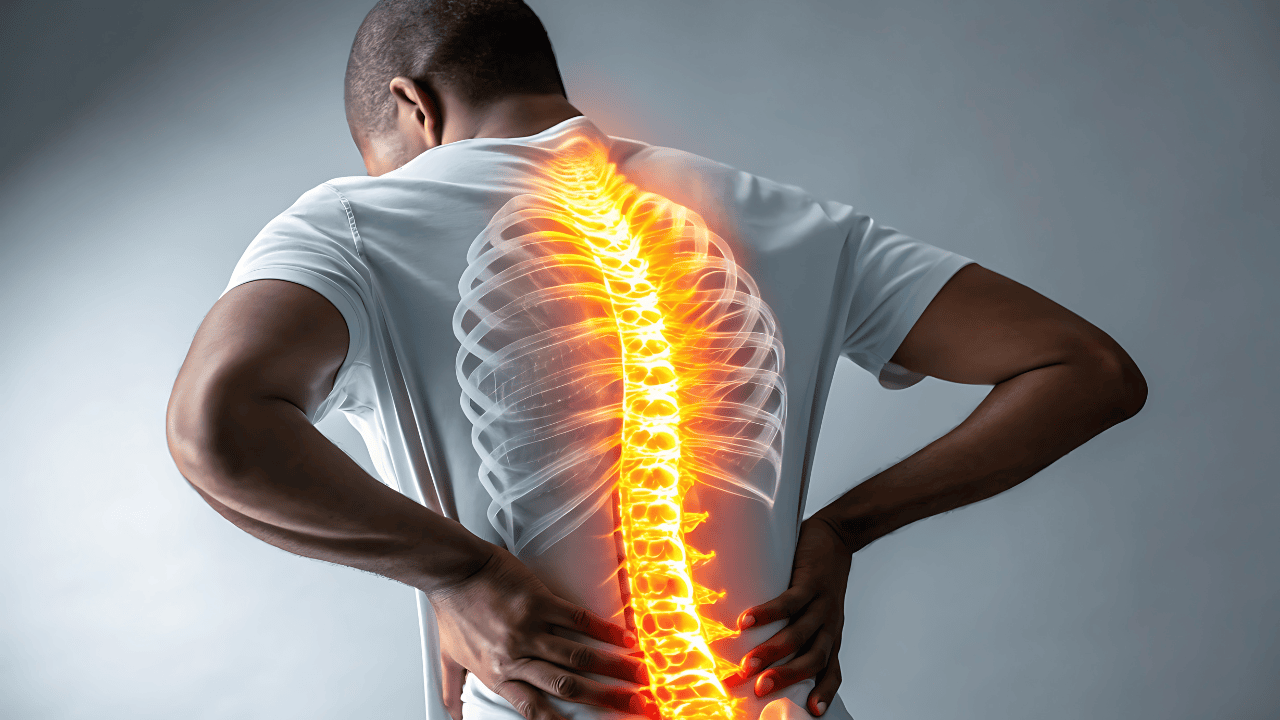
5 Proven Tips to Reduce Back Pain Through PT Exercises
Back pain has a way of quietly weaving itself into everything you do. It shows up when you roll out of bed, lingers while you sit at work, and reminds you of its presence when you bend to tie your shoes or pick something up off the floor. For many people, it does not arrive suddenly. It builds over time, shaped by posture habits, old injuries, stress, or simply the demands of everyday life. What makes back pain especially frustrating is how personal it feels. Two people can have pain in the same area of the spine, yet their experiences can be completely different.
Physical therapy often enters the picture when pain begins to interfere with living fully. Not just when it hurts, but when it limits confidence, movement, and trust in your own body. The right physical therapy approach does more than chase symptoms. It helps you understand your body, retrain movement patterns, and rebuild strength where it has quietly faded. Thrive Physical Therapy focuses on this deeper understanding, treating patients as individuals rather than diagnoses, and guiding them toward long term relief through movement, education, and consistency.
This article is written for people who are living with back pain right now. People who want answers that feel human. People who are tired of quick fixes and want to move again without fear. The goal here is not perfection, but progress. Not extreme workouts, but smart physical therapy exercises that support healing and restore confidence.
Understanding Why Movement Heals the Back
The spine was designed to move. When pain sets in, the natural reaction is to protect it by staying still. While rest has its place early on, too much inactivity often makes back pain worse. Muscles stiffen, joints lose mobility, and the nervous system becomes more sensitive. This combination can turn simple movements into painful experiences.
Physical therapy uses purposeful movement to reverse that cycle. Instead of pushing through pain, exercises are selected to restore motion where it has been lost, strengthen muscles that support the spine, and calm the nervous system so it no longer interprets normal movement as a threat. At Thrive Physical Therapy, exercises are not handed out randomly. They are chosen based on how your body moves, how your pain behaves, and what your daily life actually looks like.
The most effective PT exercises do not aim to isolate one muscle in isolation. They teach the body to move as a unit again. Breathing, core engagement, hip mobility, and spinal control all work together. When these elements are retrained patiently, pain often begins to soften, even before strength dramatically increases.
Relearning Core Support Without Tension
One of the biggest misconceptions about back pain is that you need a rock hard core to protect your spine. In reality, many people with chronic back pain already carry too much tension in their abdominal muscles. They brace constantly without realizing it, which limits movement and increases fatigue.
Physical therapy focuses on retraining deep core support rather than superficial tightening. This includes muscles that stabilize the spine gently during movement, not just during exercise. Learning how to activate these muscles while breathing normally can feel surprisingly challenging at first. That is because the body has often forgotten how to do it efficiently.
At Thrive Physical Therapy, patients are guided through exercises that emphasize awareness rather than force. You might start lying down, practicing gentle engagement while breathing, feeling how your ribs and pelvis move together. Over time, this awareness carries into sitting, standing, and walking. The goal is not to hold tension all day, but to allow your core to respond naturally when movement demands it.
As this support system improves, many patients notice a reduction in pain during everyday activities. Getting out of a chair feels easier. Standing for longer periods becomes less intimidating. These changes often happen gradually, which makes them more sustainable.
Restoring Hip and Pelvic Mobility to Ease Back Strain
The lower back often suffers when nearby joints stop doing their job. The hips and pelvis play a massive role in how force is distributed through the spine. When hip mobility is limited, the lower back is forced to compensate, absorbing movement it was never meant to handle alone.
Physical therapy exercises aimed at improving hip mobility are often a turning point for people with persistent back pain. These movements are not about forcing flexibility. They are about restoring natural motion that has been lost due to sitting, stress, or injury.
A skilled physical therapist will assess how your hips move in different directions and how that movement affects your spine. Exercises are then introduced to gently expand that range without triggering pain. Over time, the back no longer has to overwork during bending, walking, or reaching.
Patients at Thrive Physical Therapy often describe feeling lighter through their lower body as mobility improves. Movements that once felt stiff or guarded begin to feel smoother. This shift reduces strain on the spine and builds trust in movement again.
Strengthening the Back Without Overloading It
Strength is essential for back health, but the way it is built matters. Traditional strengthening routines can sometimes aggravate pain if they load the spine too quickly or without proper control. Physical therapy takes a different approach, prioritizing quality of movement over quantity.
Back strengthening in PT often starts with very subtle exercises. These movements teach the muscles along the spine to engage evenly rather than in short bursts of tension. As control improves, resistance is gradually added in ways that respect the body’s limits.
At Thrive Physical Therapy, strengthening exercises are integrated into functional movement patterns. Instead of isolating muscles in artificial positions, patients practice movements that resemble real life tasks. This might include controlled bending, reaching, or transitioning between positions with proper support.
The result is strength that translates into daily life. Patients feel more stable when lifting groceries, playing with children, or standing for long periods. This functional strength reduces flare ups and builds resilience against future pain episodes.
Improving Posture Through Awareness, Not Force
Posture is often blamed for back pain, yet forcing yourself to sit or stand perfectly straight can actually increase discomfort. True postural improvement comes from awareness and adaptability rather than rigidity.
Physical therapy helps patients understand how posture shifts throughout the day and how different positions affect pain. Rather than prescribing one ideal posture, therapists encourage movement variability. This means learning how to sit, stand, and move in ways that reduce strain over time.
Exercises that support postural endurance are a key part of this process. These movements help the body tolerate different positions without fatigue. Over time, posture improves naturally as muscles become stronger and more coordinated.
Patients working with Thrive Physical Therapy often report that they stop obsessing over posture and start listening to their bodies instead. This shift reduces anxiety around movement and supports long term comfort.
Reconnecting Breath With Movement for Pain Relief
Breathing patterns play a surprisingly important role in back pain. Shallow breathing, breath holding, and excessive chest movement can all increase tension through the spine. Many people with chronic pain are unaware that their breathing has changed over time.
Physical therapy integrates breathing with movement to restore balance. Exercises encourage diaphragmatic breathing that supports spinal stability without rigidity. This type of breathing calms the nervous system and improves coordination between the core and limbs.
At Thrive Physical Therapy, patients often begin with simple breathing exercises paired with gentle movement. These sessions help reduce pain sensitivity and improve body awareness. Over time, breathing becomes a supportive tool rather than an unconscious habit that contributes to tension.
This reconnection between breath and movement often leads to improvements beyond pain reduction. Patients report better sleep, reduced stress, and a greater sense of control over their bodies.
Building Confidence Through Gradual Progression
One of the most overlooked aspects of back pain recovery is confidence. Pain changes how people move, but it also changes how they think about movement. Fear of re injury can linger long after tissues have healed.
Physical therapy addresses this fear through gradual progression. Exercises are introduced in a way that feels safe and manageable. As patients succeed with small challenges, confidence grows. This psychological shift is just as important as physical improvement.
At Thrive Physical Therapy, therapists take time to educate patients about their pain. Understanding why something hurts and how movement supports healing reduces fear and empowers patients to take an active role in recovery.
This confidence carries into daily life. Patients stop avoiding movement and begin participating more fully in activities they enjoy. This return to normal life often marks a major milestone in the healing process.

Staying Consistent Without Burning Out
Consistency is key to reducing back pain, but consistency does not mean pushing every day without rest. Physical therapy emphasizes sustainable routines that fit into real life. Exercises are selected to be effective without overwhelming.
Patients are encouraged to listen to their bodies and adjust intensity as needed. Flare ups are treated as information, not failure. This approach prevents burnout and supports long term success.
At Thrive Physical Therapy, home exercise programs are designed to complement clinic sessions. Patients learn how to integrate movement into their daily routines rather than viewing exercise as a separate chore.
This balanced approach helps patients stay engaged and motivated. Over time, exercises become habits rather than obligations.
The Role of Personalized Care in Long Term Relief
No two backs are the same, and no single exercise works for everyone. Personalized care is what transforms physical therapy from a temporary fix into a lasting solution. Assessments, progressions, and modifications are all tailored to the individual.
Thrive Physical Therapy emphasizes one on one care, ensuring that patients receive attention and guidance throughout their recovery. This personalized approach allows therapists to address not just symptoms, but underlying movement patterns that contribute to pain.
Patients benefit from ongoing adjustments to their treatment plan as they improve. This flexibility ensures that therapy remains effective and relevant at every stage of recovery.
Suggested Reading: How Physical Therapy Helps Chronic Back Pain
Conclusion: Moving Toward a Pain Free Future
Reducing back pain through physical therapy is not about chasing quick relief. It is about rebuilding trust in your body, restoring movement, and creating strength that supports your life rather than limits it. The journey requires patience, but the rewards extend far beyond pain reduction.
When physical therapy exercises are guided by expertise, compassion, and a deep understanding of movement, change becomes possible. Patients begin to move with confidence, breathe with ease, and engage in life without constant fear of pain returning.
If back pain has been holding you back, working with a dedicated physical therapy team can help you move forward again. To learn more about patient centered care and personalized physical therapy programs, visithttps://thriveptclinic.com/ and take the first step toward lasting relief.
Learn More
How Physical Therapy Helps Chronic Back Pain
Living with chronic back pain is not just about discomfort in your spine. It seeps into everything. The way you wake up in the morning. The way you sit through meetings or family dinners. The way you hesitate before bending down to tie your shoes. Over time, back pain can quietly shrink your world, limiting movement, confidence, and even joy.
Many people live with chronic back pain longer than they should, believing it is something they simply have to tolerate. Medications become routine. Quick fixes are tried and forgotten. Rest turns into avoidance. Yet pain remains. What often gets missed is that chronic back pain is rarely just about the back itself. It is about movement patterns, muscle imbalances, nervous system responses, and how the body adapts over time.
Physical therapy steps into this space with a very different mindset. Instead of masking pain, it focuses on understanding it. Instead of treating symptoms in isolation, it looks at how the entire body works together. For people struggling with ongoing back pain, this approach can be life changing.
At Thrive Physical Therapy, care is centered on the person behind the pain. Chronic back pain is not treated as a generic condition but as a deeply individual experience shaped by lifestyle, movement history, and daily demands. That difference matters.
Understanding Chronic Back Pain Beyond the Diagnosis
Chronic back pain is usually defined as pain that lasts longer than three months, but that definition barely scratches the surface. For some people, the pain started after an injury that never fully healed. For others, it developed slowly without a clear cause. Some feel stiffness in the morning that eases with movement, while others feel sharp pain with simple tasks like standing or sitting.
What makes chronic pain different from acute pain is that the body has already adapted to it. Muscles tighten to protect the area. Movement becomes guarded. Certain muscles work overtime while others weaken. The nervous system becomes more sensitive, sometimes reacting strongly to even mild stimuli. Over time, pain becomes part of the body’s default state.
Physical therapy begins by acknowledging this complexity. Instead of chasing a single cause, therapists look at how posture, strength, flexibility, breathing, and daily habits all contribute to ongoing pain. This broader understanding is often the first moment of relief for patients who have felt unheard or misunderstood.
Why Rest Alone Rarely Fixes Chronic Back Pain
One of the most common beliefs about back pain is that rest will make it better. While rest can be helpful during the early stages of injury, too much rest often worsens chronic pain. Muscles lose strength. Joints stiffen. Circulation decreases. The body becomes less efficient at supporting the spine.
Physical therapy gently challenges this cycle. Movement is not introduced recklessly but thoughtfully. Each exercise, stretch, or activity is chosen to restore balance without triggering flare ups. Over time, patients learn that safe movement is not the enemy. Avoidance is.
At Thrive Physical Therapy, patients are guided through this transition with care and reassurance. Fear of movement is addressed just as seriously as physical limitations. When people understand why certain movements help instead of hurt, confidence begins to return.
The Role of Personalized Assessment in Healing
No two backs are the same. Even when diagnoses sound identical, the underlying movement patterns and contributing factors can be completely different. This is why personalized assessment is such a critical part of effective physical therapy.
During evaluation, therapists take time to understand not just where pain is felt but how the body moves as a whole. They observe posture during standing and sitting. They assess how hips, core, and shoulders interact with spinal movement. They listen to the patient’s story, including daily routines, work demands, and previous treatments.
This detailed understanding allows therapy to be tailored specifically to the individual. Exercises are not generic or copied from a sheet. They are designed to address the unique needs of that person’s body and lifestyle.
Patients often express relief simply from being seen and understood at this level. When therapy feels personal, commitment grows. Progress follows.
How Strengthening Restores Support to the Spine
One of the most powerful tools in physical therapy for chronic back pain is targeted strengthening. The spine relies on surrounding muscles for stability and protection. When these muscles are weak or poorly coordinated, the spine bears more stress than it should.
Strengthening in physical therapy does not mean lifting heavy weights or pushing through pain. It means teaching the body how to engage the right muscles at the right time. Deep core muscles, glutes, and postural muscles are often reactivated after years of underuse.
As strength improves, movements that once caused pain begin to feel safer. Tasks like standing up from a chair, walking longer distances, or carrying groceries become easier. This renewed support reduces strain on sensitive structures and helps break the cycle of pain.
At Thrive Physical Therapy, strengthening is introduced gradually and adjusted continuously. Progress is guided by how the body responds, not by rigid timelines.
Flexibility and Mobility as Keys to Pain Reduction
Chronic back pain is often accompanied by stiffness. Muscles and connective tissues lose elasticity, making movement feel restricted and uncomfortable. Tight hips, hamstrings, or thoracic spine can force the lower back to compensate, increasing pain.
Physical therapy addresses these restrictions through controlled stretching and mobility work. The goal is not extreme flexibility but functional movement that supports daily life. Gentle techniques help restore range of motion while respecting the body’s limits.
Patients frequently notice that as flexibility improves, pain becomes less intense and less frequent. Movements feel smoother. Posture improves naturally. The body begins to move as it was designed to.
This process requires patience, but the rewards are lasting. Flexibility gained through guided therapy tends to stay because it is integrated into meaningful movement patterns.
Manual Therapy and Hands On Care
For many patients with chronic back pain, hands on techniques play an important role in early relief. Manual therapy can help reduce muscle tension, improve joint mobility, and calm an overactive nervous system.
These techniques are not used as a standalone solution but as part of a larger plan. When combined with movement and education, manual therapy creates a foundation for active healing.
At Thrive Physical Therapy, hands on care is used thoughtfully and purposefully. Therapists communicate throughout the process, explaining what they are doing and why. This transparency builds trust and helps patients feel more connected to their recovery.
Relearning Movement Without Fear
Chronic pain often comes with fear. Fear of bending. Fear of lifting. Fear of triggering another painful episode. Over time, this fear can be as limiting as the pain itself.
Physical therapy addresses fear by creating positive movement experiences. Patients are guided through movements that feel safe and manageable. Gradually, these movements become more challenging as confidence grows.
This process retrains the nervous system to interpret movement as safe rather than threatening. Pain signals become less intense. The body learns that it can move without harm.
This aspect of therapy is especially empowering. Patients are no longer passive recipients of care but active participants in their own recovery.
Education as a Tool for Long Term Relief
One of the most overlooked aspects of physical therapy is education. Understanding how pain works and how the body responds to movement can dramatically change how patients experience chronic back pain.
Therapists take time to explain why certain exercises help, why flare ups may occur, and how to respond when pain increases. This knowledge reduces anxiety and prevents setbacks.
Patients learn how to modify activities rather than avoid them completely. They understand the difference between discomfort and injury. This clarity fosters independence and long term success.
At Thrive Physical Therapy, education is woven into every session. Patients leave not only stronger but wiser about their bodies.
Addressing Lifestyle Factors That Influence Back Pain
Chronic back pain does not exist in isolation. Stress, sleep quality, work ergonomics, and daily habits all influence how pain is felt and managed.
Physical therapy considers these factors as part of comprehensive care. Therapists discuss posture at work, movement breaks during the day, and strategies for managing stress related tension. Small changes can have a big impact.
When therapy extends beyond the clinic into daily life, results become more sustainable. Patients feel supported not just during sessions but in their real world routines.

Progress That Goes Beyond Pain Reduction
While pain relief is an important goal, physical therapy aims for more than just reducing symptoms. It focuses on restoring function and improving quality of life.
Patients begin to notice they can sit longer without discomfort. Sleep improves. Energy levels rise. Activities that were once avoided become possible again.
This broader progress is often what patients value most. Pain may still exist at times, but it no longer controls their decisions or limits their identity.
The Emotional Impact of Feeling Capable Again
Chronic back pain can take an emotional toll. Frustration, sadness, and hopelessness are common. Physical therapy helps address these feelings indirectly by restoring a sense of control.
As patients regain strength and confidence, mood often improves. The body feels more reliable. Independence returns. These emotional shifts are just as meaningful as physical changes.
Feeling capable again changes how people see themselves and their future.
Consistency and Commitment in the Healing Journey
Physical therapy is not a one time fix. It is a process that requires consistency and commitment. Progress may be gradual, but it is meaningful.
Therapists support patients through setbacks and plateaus, adjusting plans as needed. This adaptability is key for chronic conditions where healing is rarely linear.
At Thrive Physical Therapy, the focus is on steady progress rather than quick results. Patients are encouraged to celebrate small victories along the way.
Suggested Reading: Pros of Combining Stretching and Physical Therapy for Back Health
Conclusion
Chronic back pain does not have to define your life. Physical therapy offers a path that is active, empowering, and rooted in understanding the whole person. By addressing movement patterns, strength, flexibility, education, and confidence, therapy helps patients reclaim control over their bodies and their lives.
Healing from chronic pain is not about eliminating every sensation of discomfort. It is about restoring function, reducing fear, and building resilience. When care is personalized and compassionate, change becomes possible.
If you are living with chronic back pain and searching for care that truly listens and adapts to your needs, Thrive Physical Therapy offers an approach centered on movement, understanding, and long term wellness. Learn more about how their patient focused care can support your recovery athttps://thriveptclinic.com/.
Learn More
Pros of Combining Stretching and Physical Therapy for Back Health
Back pain has a way of sneaking into daily life and slowly taking over. It starts as stiffness when you wake up, a dull ache after sitting too long, or a sharp reminder when you bend to tie your shoes. For many people, back discomfort becomes so normal that they stop questioning it. They work around it, rest when it flares up, and hope it settles down on its own. But lasting relief usually requires more than hope. It requires understanding the body, listening to what it needs, and giving it the right kind of movement at the right time.
This is where the combination of stretching and physical therapy begins to matter. On their own, both can be helpful. Together, they can be transformative. When guided properly, stretching supports the work physical therapy is designed to do. Physical therapy, in turn, gives stretching purpose, structure, and safety. Instead of random movements or temporary relief, the body starts to relearn how to move well again.
For patients dealing with back pain, whether it is new, chronic, or returning after an injury, this combination offers a smarter and more sustainable path forward. It is not about pushing through pain or chasing quick fixes. It is about rebuilding trust in your body and restoring movement in a way that feels steady, supported, and human.
Understanding Back Health Beyond Pain
Back health is often misunderstood. Many people think of it only in terms of pain levels. If it hurts, something is wrong. If it does not, everything must be fine. In reality, the back is deeply connected to how the entire body moves, stabilizes, and adapts to daily demands. Poor posture, weak core muscles, tight hips, limited mobility, and even stress can all influence how the back feels and functions.
Physical therapy looks beyond symptoms. A skilled therapist does not just ask where it hurts. They look at how you sit, stand, walk, bend, and breathe. They pay attention to patterns that may have developed over years. Stretching becomes meaningful when it addresses those patterns rather than treating the back as an isolated problem.
When stretching is paired with physical therapy, it stops being random or generic. Instead of copying movements from a video or holding stretches that feel good but do little long term, patients learn why certain areas are tight and how that tightness affects the back. This understanding alone can be empowering. It shifts the mindset from passive treatment to active participation in healing.
How Physical Therapy Sets the Foundation
Physical therapy creates the structure that makes stretching effective. Without guidance, stretching can sometimes do more harm than good. Overstretching unstable areas or ignoring weak muscles can increase pain rather than reduce it. Physical therapy ensures that stretching happens within a safe and supportive framework.
At Thrive Physical Therapy, treatment is centered on the individual. Therapists take time to understand each patient’s history, lifestyle, and goals. Back pain caused by long hours at a desk looks different from pain caused by lifting injuries or sports strain. The therapy plan reflects those differences.
Physical therapy strengthens the muscles that support the spine, improves joint mobility, and retrains movement patterns that may be contributing to pain. Once this foundation is in place, stretching becomes more effective. The body is prepared to lengthen tight tissues without compensating or guarding. Stretching then enhances the progress made during therapy rather than working against it.
Stretching as a Tool for Long Term Mobility
Stretching is often viewed as something you do quickly before or after exercise. In the context of back health, it plays a deeper role. Tight muscles around the hips, hamstrings, and lower back can pull the spine out of alignment and restrict natural movement. Over time, this creates strain and discomfort.
When stretching is introduced intentionally through physical therapy, it becomes a tool for restoring balance. Patients learn which muscles need length and which need strength. They begin to notice how improved flexibility changes the way they move throughout the day.
Stretching also encourages circulation and relaxation. For patients who carry tension in their back due to stress or prolonged sitting, gentle stretching can signal the nervous system to relax. This calming effect supports healing and reduces the fear often associated with movement after injury.
Reducing Pain Without Relying on Medication
One of the most meaningful benefits of combining stretching and physical therapy is the potential to reduce pain naturally. Many patients rely on pain medications to get through the day. While medication can have a place, it does not address the root cause of back pain.
Physical therapy targets the source of discomfort. Stretching supports this process by reducing muscle tension and improving mobility. Together, they help decrease inflammation and pressure on sensitive structures in the spine.
As patients progress, many notice they need less medication or none at all. Pain becomes something they understand rather than fear. This sense of control can be life changing, especially for those who have felt trapped by chronic discomfort.
Improving Posture Through Awareness and Movement
Poor posture is a common contributor to back pain, especially in a world where many people spend hours sitting. Physical therapy brings awareness to how posture affects the spine. Stretching then helps correct imbalances that make good posture difficult to maintain.
Tight chest muscles, stiff hip flexors, and weak upper back muscles all influence posture. A physical therapist can identify these issues and guide patients through stretches that gently open tight areas while strengthening what needs support.
Over time, posture improves not because someone is forcing themselves to sit up straight, but because their body is better aligned and more comfortable in that position. This natural shift reduces strain on the back and supports long term health.
Preventing Future Injuries Through Better Movement
Back pain often returns when underlying issues are not addressed. Stretching and physical therapy work together to reduce the risk of re injury by improving how the body moves.
Physical therapy teaches proper mechanics for lifting, bending, and reaching. Stretching ensures the body has the mobility needed to perform these movements safely. When muscles and joints move freely and efficiently, there is less stress on the spine.
Patients who commit to this combination often feel more confident in their daily activities. They move with greater ease and less hesitation. This confidence is not just physical. It extends into work, hobbies, and relationships, allowing people to live more fully without constant concern about their back.
Supporting Recovery After Injury or Surgery
Recovery from a back injury or surgery can feel overwhelming. There is often fear about moving the wrong way or pushing too hard. Physical therapy provides reassurance and guidance during this vulnerable time.
Stretching is introduced gradually and thoughtfully. It helps restore range of motion without compromising healing. Physical therapists monitor progress closely, adjusting stretches and exercises based on how the body responds.
This collaborative approach builds trust. Patients learn that movement is not the enemy. With the right support, stretching becomes a gentle reminder that the body is capable of healing and adapting.
Enhancing Mind Body Connection
Back pain is not just physical. It affects mood, sleep, and overall quality of life. Combining stretching with physical therapy encourages patients to reconnect with their bodies in a positive way.
Stretching requires attention and presence. Patients are guided to notice sensations, breathing, and subtle changes in movement. Physical therapy reinforces this awareness by explaining why certain movements matter.
This mind body connection can reduce anxiety related to pain. Patients feel more in tune with their bodies and better equipped to respond to discomfort early rather than ignoring it until it worsens.
Customizing Care for Individual Needs
No two backs are the same. A major advantage of combining stretching with physical therapy is the ability to customize care. At Thrive Physical Therapy, treatment plans are designed around the individual rather than a one size fits all approach.
Stretching routines are tailored to each patient’s limitations and goals. Someone recovering from a herniated disc will have different needs than someone dealing with muscular strain. Physical therapy ensures stretches are appropriate and effective.
This personalization increases success. Patients are more likely to stay consistent when they feel their care truly fits them. Consistency is often the missing piece in long term back health.
Building Strength Without Sacrificing Flexibility
Many people worry that strengthening exercises will make them stiff. Others fear stretching will make them weak. When done together through physical therapy, these concerns fade.
Strength and flexibility support each other. Physical therapy builds stability around the spine, while stretching maintains mobility. This balance allows the back to handle daily demands without becoming rigid or fragile.
Patients often describe feeling both stronger and looser at the same time. Movements that once felt restricted begin to feel natural again. This balanced approach supports a healthy back over the long term.
Encouraging Active Participation in Healing
One of the most powerful aspects of combining stretching and physical therapy is the shift from passive treatment to active healing. Patients are not simply receiving care. They are learning skills they can use for life.
Stretching becomes a daily practice rather than an occasional fix. Physical therapy provides the knowledge and confidence to move safely outside the clinic. This empowerment fosters independence and resilience.
Patients who take an active role in their recovery often experience better outcomes. They understand their bodies and know how to respond when discomfort arises.
Adapting to Daily Life and Real World Challenges
Back health is not tested in a clinic. It is tested at work, at home, and during everyday activities. Physical therapy bridges this gap by applying stretching and movement strategies to real life situations.
Patients learn how to stretch during breaks, adjust posture at their desk, and move efficiently during daily tasks. These small changes add up, reducing strain on the back throughout the day.
This practical focus makes therapy feel relevant and sustainable. It becomes part of life rather than something separate from it.

Supporting Emotional Well Being Alongside Physical Health
Chronic back pain can take a toll emotionally. Frustration, fear, and fatigue often accompany physical discomfort. Combining stretching with physical therapy addresses these emotional aspects indirectly but effectively.
Movement releases tension and promotes a sense of progress. Physical therapy provides encouragement and reassurance. Stretching offers moments of calm and reflection.
Together, they create a supportive environment where patients feel seen and understood. This emotional support is an often overlooked but essential part of healing.
Encouraging Consistency Through Comfort and Progress
Many people abandon exercise routines because they feel uncomfortable or overwhelming. Stretching and physical therapy prioritize comfort and gradual progress.
Patients are guided at a pace that feels manageable. Stretching helps reduce soreness, making it easier to stay consistent with therapy exercises. Physical therapy tracks progress, celebrating improvements along the way.
This positive reinforcement builds motivation. Patients are more likely to continue when they notice real changes in how their back feels and functions.
Promoting Long Term Back Health Rather Than Short Term Relief
Quick fixes rarely lead to lasting results. Combining stretching and physical therapy focuses on long term back health rather than temporary relief.
Patients learn habits that support their spine over time. Stretching maintains mobility, while physical therapy ensures strength and stability. Together, they create a foundation for lasting comfort and confidence.
This approach aligns with the philosophy of Thrive Physical Therapy, where care is designed to support patients beyond the clinic walls.
Suggested Reading: Pros of Group Therapy Sessions for Chronic Pain Management
Conclusion
Back pain can feel isolating and discouraging, but it does not have to define your life. Combining stretching with physical therapy offers a thoughtful and effective way to restore movement, reduce pain, and rebuild trust in your body. This approach goes beyond treating symptoms. It addresses the whole person, recognizing that back health is influenced by movement, awareness, and consistency.
When guided by experienced professionals, stretching becomes purposeful and safe. Physical therapy provides the structure and insight needed to make lasting changes. Together, they create a path toward better back health that feels supportive, empowering, and realistic.
If you are ready to move beyond temporary fixes and invest in a healthier future for your back, working with a team that understands the value of this combination can make all the difference. Learn more about patient centered care and personalized physical therapy athttps://thriveptclinic.com/.
Learn More